This list will be updated periodically.
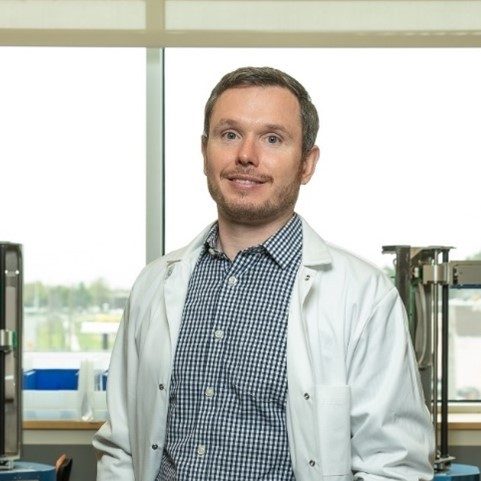
Adam Gormley
Rutgers University
Read More
Adam Gormley is an Associate Professor of Biomedical Engineering at Rutgers University, Executive Editor of Advanced Drug Delivery Reviews, and co-founder of Plexymer, Inc. His group is developing a self-driving lab for polymer biomaterials.
Alexander Hammer
Dunia
Read More
Alexander Hammer is Co-Founder and CEO of Dunia, a Berlin-based deep tech startup building the world's first commercial self-driving laboratory for electrocatalytic CO₂ utilization. A computational chemist by training, he previously held roles at Siemens and BASF, focusing on AI and digitalization in R&D. He studied at the University of Cambridge and co-founded Dunia to close the gap between AI-generated insights and real-world materials discovery, combining machine learning with chemical robotics to radically accelerate catalyst development. Dunia raised $11.5M in 2024 backed by Elaia, redalpine, and others.

Antonio Helio Castro Neto
National University of Singapore
Read More
Prof. Antonio H. Castro Neto got his Ph.D. in Physics at University of Illinois at Urbana-Champaign in 1994. His thesis studied the fundamentals of the theory of metals. In 1994, he moved to the Institute for Theoretical Physics at the University of California at Santa Barbara as a postdoctoral fellow where he dedicated his attention to low dimensional materials such as high temperature superconductors and conducting polymers. In 1995, he became an Assistant Professor at University of California at Riverside where he wrote fundamental work on the theory of disordered magnetic materials. In 2000, he moved to Boston University as Professor of Physics. At Boston, Prof. Castro Neto became one of the leading theorists in the study of graphene and other two dimensional materials. Since 2010, Prof. Castro Neto is the Director of the Graphene Research Center and in 2014 he became Director of the Centre for Advanced 2D Materials funded by the National Research Foundation of Singapore.
Prof. Castro Neto is a Distinguished Professor in the Department of Material Science Engineering and Physics, he is also Professor at the Department of Electrical and Computer Engineering, at the National University of Singapore. In 2003, Prof. Castro Neto was elected a fellow of the American Physical Society (APS) and in 2011 he was elected a fellow of the American Association for the Advancement of Science (AAAS). He is the Colloquia Editor for Reviews of Modern Physics, and member of the Editorial Board of "Chinese Physics B" and "Acta Physica Sinica".
Prof. Castro Neto was awarded the 11th Ross J. Martin Award by the University of Illinois at Urbana-Champaign; the University of California Regent Fellowship; the Alfred P. Sloan Research Fellowship; the visiting Miller Professorship by the University of California, Berkeley; the visiting Gordon Godfrey Professorship by the University of New South Wales, Australia; the Distinguished Visiting Chair Professor at the SKKU Advanced Institute of Nano-Technology (SAINT), South Korea; the Hsun Lee Lecture Award by the Institute of Metal Research at the Chinese Academy of Sciences; and Kramers Professorship at the University of Utrecht, the Netherlands.
In 2016, Prof. Castro Neto founded 2D Materials (2DM) Pte Ltd in Singapore for the development of high quality graphene, in 2017 he founded MADE Advanced Materials Pte Ltd for the development of graphene composites with carbon and glass fibers, in 2108 he founded PHASE Events Pte Ltd with the objective of scientific events in order to educate industry and academia on nano-materials and nano-technology, in 2019 he founded Graphene Watts Pte Ltd for the development and commercialization of graphene-based, Lithium-Sulfur, batteries.
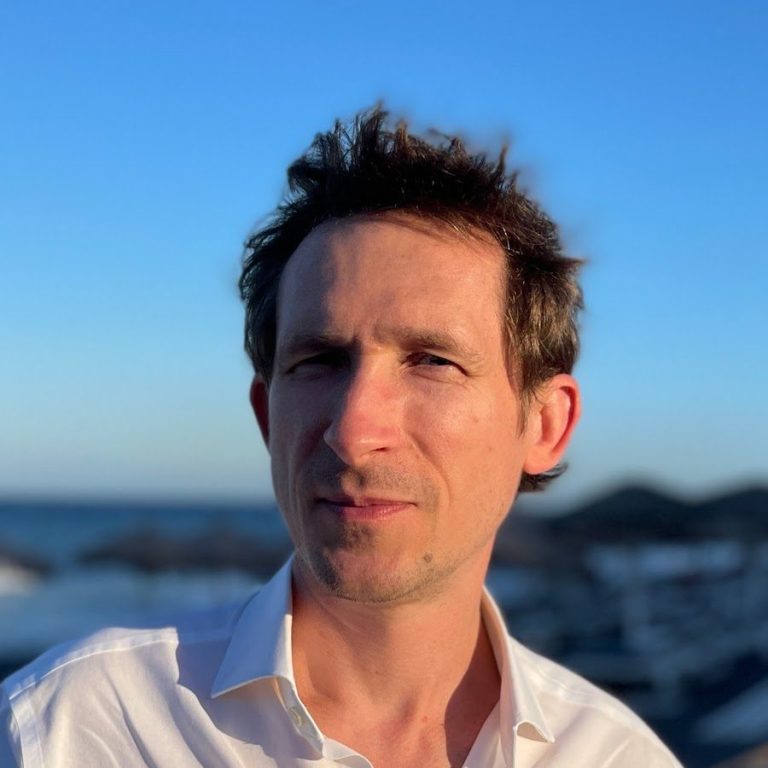
Artem Mishchenko
University of Manchester • Google DeepMind • EPFL • Collegium Helveticum
Read More
Artem Mishchenko works at the intersection of machine learning and scientific discovery, with interests spanning physics- and materials-related applications.
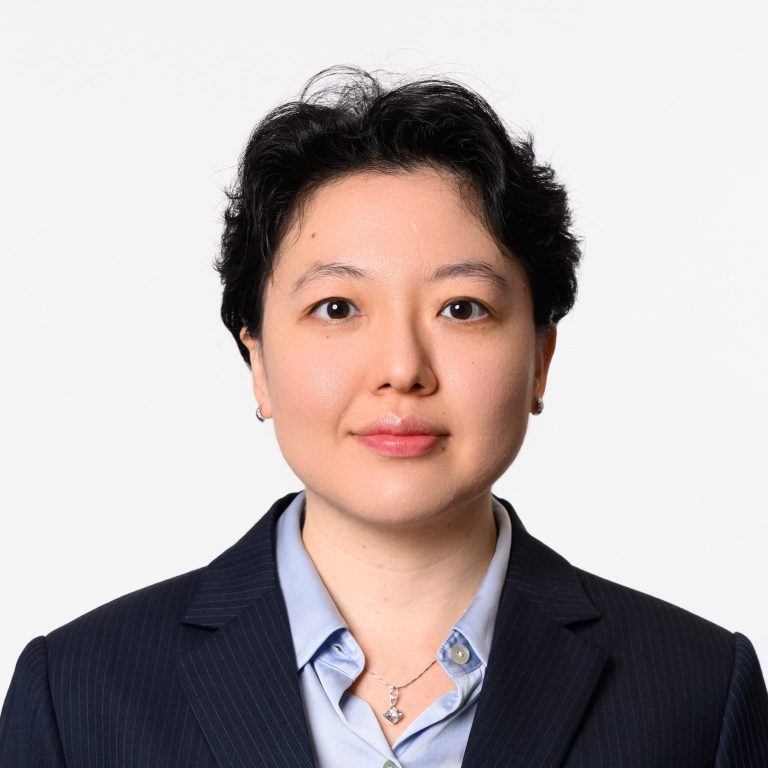
Aruhan Rui Shi
ASEAN+3 Macroeconomic Research Office (AMRO)
Read More
Aruhan Rui Shi serves as Associate Economist at AMRO, where she is a member of the Macro-Financial Research Group, covering a range of macroeconomic research topics, including the growth impact of an aging population, exchange rate pass-through, and fiscal sustainability; and contributing to surveillance work for Japan. She also contributes to the development of macrofinancial tools, specializing in Dynamic Stochastic General Equilibrium (DSGE) models and the application of AI technologies in macroeconomic analysis. Before joining AMRO, she interned at the International Monetary Fund (IMF) as part of her PhD studies, where she integrated AI into macroeconomic models; and worked as a consulting economist at the Asian Development Bank (ADB), analyzing debt dynamics and fiscal sustainability. Her doctoral research focused on how adaptive economic agents respond to structural changes, applying AI technology in macroeconomic modeling.
She holds a Ph.D. and a Master's degree in Economics from the University of Warwick and a Bachelor's degree (Honors) in Finance from the University of Durham.
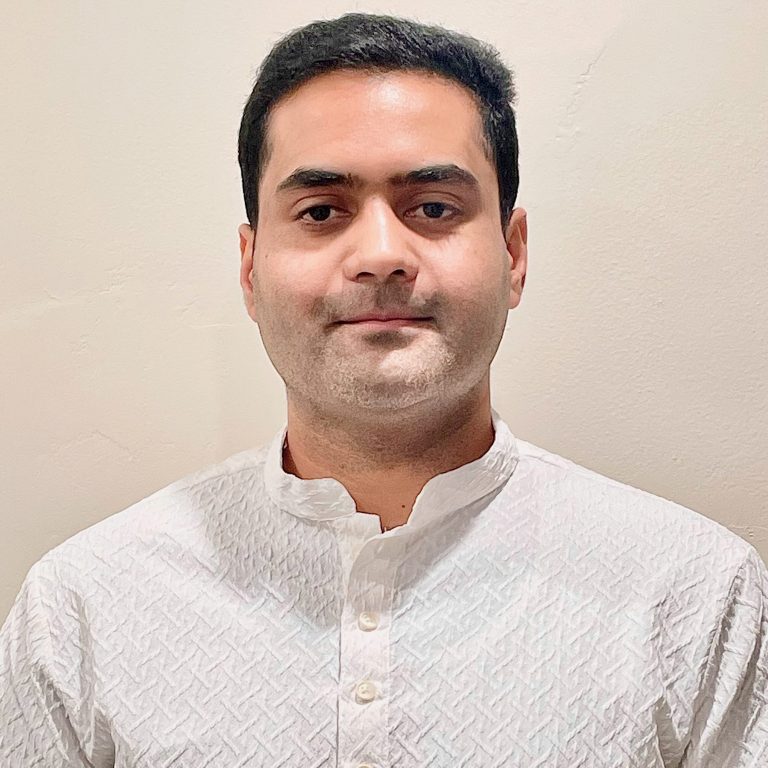
Atul Thakur
NVIDIA
Read More
Atul Thakur is associated with NVIDIA and works in AI systems and computational technologies supporting scientific and engineering applications.
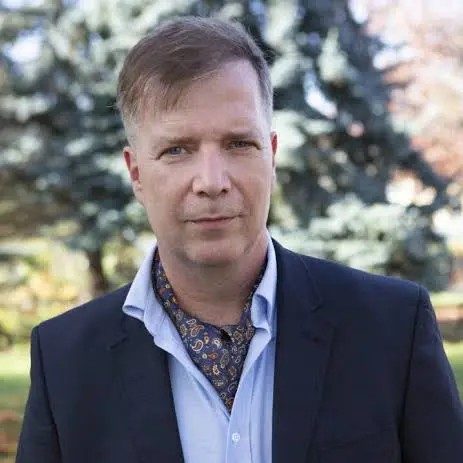
Bartosz Grzybowski
Ulsan National Institute of Science and Technology • IBS Center for Algorithmic and Robotized Synthesis • Institute of Organic Chemistry • OPCW - Scientific Advisory Board
Read More
Bartosz Grzybowski works on chemistry and automated synthesis, including data-driven approaches aligned with self-driving laboratories.
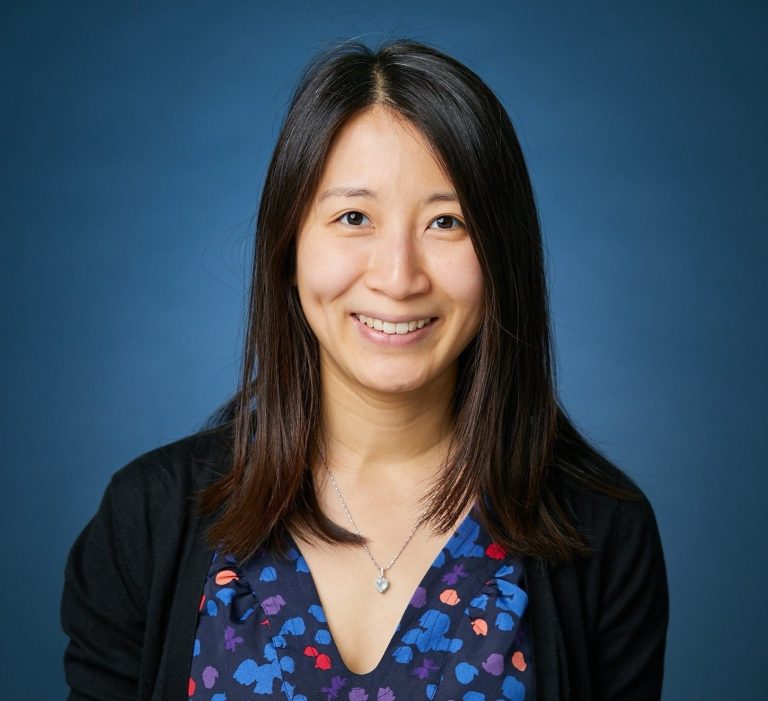
Beatrice Soh
Department of Chemical and Biomolecular Engineering, National University of Singapore
Read More
Beatrice Soh is an assistant professor in the Department of Chemical and Biomolecular Engineering at the National University of Singapore (NUS). She works on integrating data-driven approaches with high-throughput single-molecule polymer experiments for applications in soft matter.
Berend Smit
EPFL • UC Berkeley • Lawrence Berkeley National Laboratory
Read More
Berend Smit is a Professor at EPFL. His work spans chemical engineering, physics, and computational chemistry.
Benjamin Chen
A*STAR
Read More
Benjamin Chen is a Senior Research Scientist at the Institute of High Performance Computing (IHPC). His research focuses on developing novel high throughput computing methods and coupling them with machine learning to enable modelling of catalytic materials and reactions with high realism and fidelity. By doing so, he aims to increase the predictive power of computations, enhance their value and synergy with experiments, and accelerate the rational design of novel catalysts.
Bowen Li
University of Toronto
Read More
Bowen Li is an Assistant Professor at the University of Toronto. His research combines pharmaceutical sciences with biomaterials, bioengineering, and immunology to develop nonviral delivery systems for nucleic acids, including RNA vaccines and therapeutics.
Carlo Vittorio Cannistraci
Tsinghua University • TU Dresden
Read More
Carlo Vittorio Cannistraci is a Professor of Biomedical Cybernetics whose research spans AI for biology, algorithmic network science, and unconventional computing inspired by neural topologies.
Curtis Berlinguette
University of British Columbia • CIFAR • SBQMI
Read More
Curtis Berlinguette is a global leader in self-driving labs, AI-enabled chemical discovery, and accelerated materials research for energy technologies.
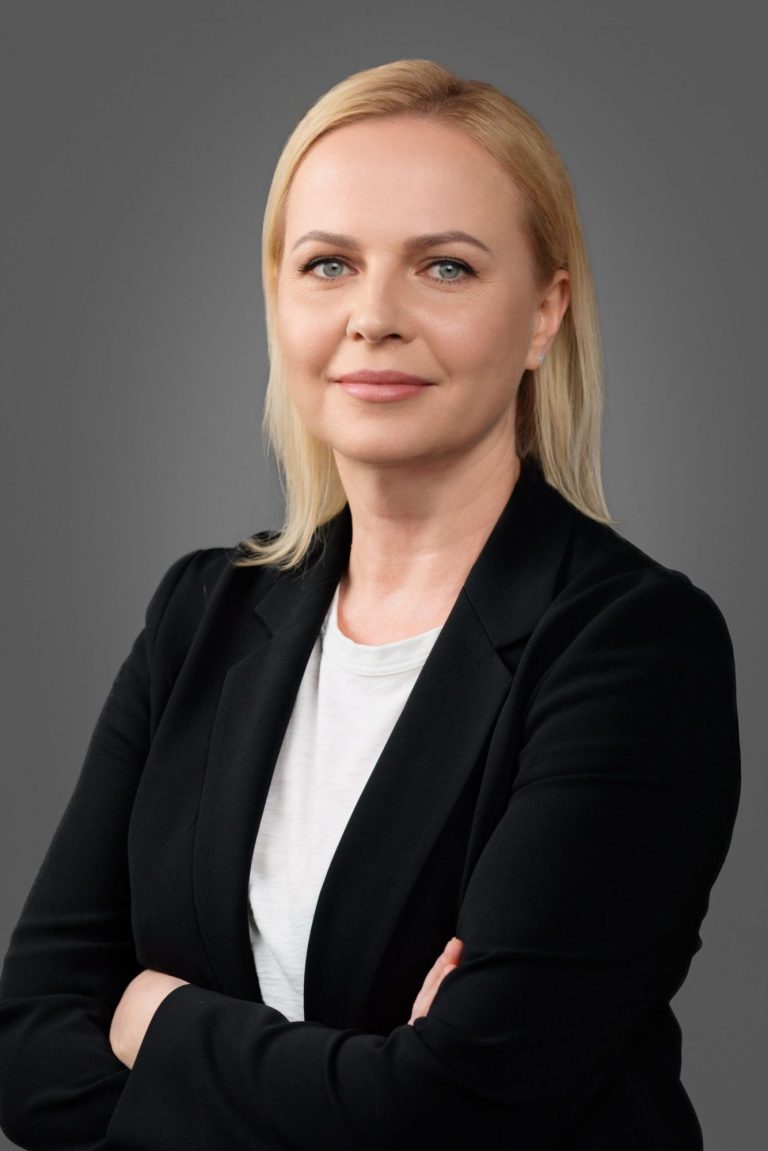
Daria Andreeva
National University of Singapore
Read More
Daria V. Andreeva is an Associate Professor at the Department of Materials Science and Engineering and a Deputy Director (Academic Matter) and PI at the Institute for Functional Intelligent Materials, National University of Singapore. Daria authored more than 180 papers, including publications in Nature Nanotechnology and Advanced Materials, and received various fellowships, such as AvH and UNESCO. She worked on smart coatings at the Max Planck Institute of Colloids and Interfaces. After completing her habilitation in Germany, she joined the Centre for Soft and Living Matter in South Korea. Daria's research explores electrochemical phenomena in self-assembled stimuli-responsive nanostructures for applications in membranes for energy devices and healthcare.
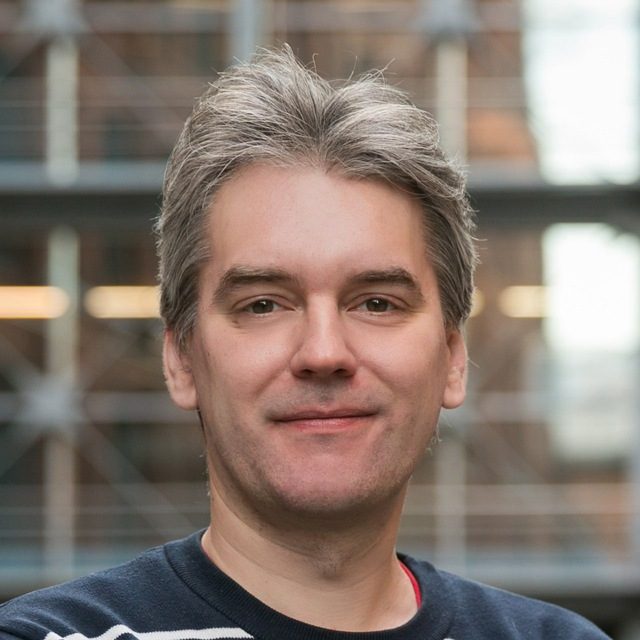
Dmitry Vetrov
Constructor University
Read More
Dmitry Vetrov is a Professor of Computer Science at Constructor University, Bremen. His research focuses on combining Bayesian frameworks with deep learning, including variational inference, graphical models, and generative models. He has published extensively at top machine learning venues including NeurIPS, ICML, ICLR, and CVPR, and was previously a Full Professor at the Higher School of Economics in Moscow.
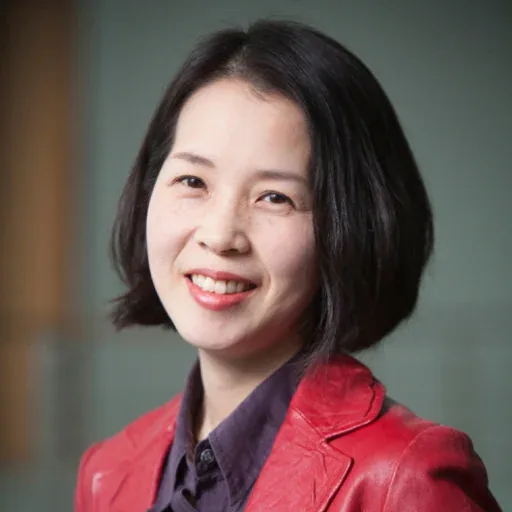
Eun-Ah Kim
Cornell University
Read More
Eun-Ah Kim is a theoretical physicist whose work includes quantum many-body systems and related computational approaches.
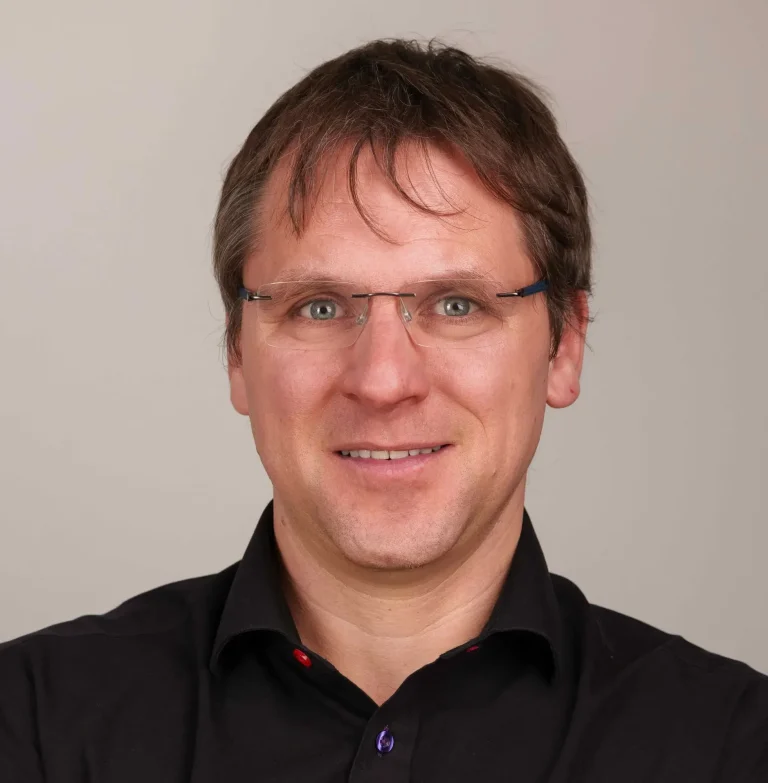
Felix Hanke
CuspAI
Read More
Felix Hanke is a distinguished researcher and software engineer with extensive experience enabling materials simulations across multiple industries.
Fernando Aguirre
Intrinsic Semiconductor Technologies Ltd.
Read More
Fernando Aguirre is a Senior Device Engineer at Intrinsic Semiconductor Technologies Ltd. His background includes electronic engineering, device research, and neuromorphic and memristor-related semiconductor technologies.
Giacomo Indiveri
University of Zurich • ETH Zurich
Read More
Giacomo Indiveri is a Professor of Neuromorphic Cognitive Systems at the University of Zurich and ETH Zurich. His work spans neuromorphic mixed-signal circuits, brain-inspired computing, and real-world intelligent systems.
Gianmarco Mengaldo
Imperial College London
Read More
Dr. Gianmarco Mengaldo is an Assistant Professor in the Department of Mechanical Engineering at the National University of Singapore and an Honorary Research Fellow at Imperial College London. He received his BSc and MSc in Aerospace Engineering from Politecnico di Milano, and his PhD in Aeronautical Engineering from Imperial College London. After his PhD he worked at the European Centre for Medium-Range Weather Forecasts (ECMWF) and Caltech. His research spans scientific machine learning, data-driven modeling, and computational fluid dynamics, with applications in engineering and Earth sciences.
Haizhao Yang
University of Maryland • UMIACS • AIM • Center for Machine Learning
Read More
Haizhao Yang develops mathematical and machine-learning methods with applications in scientific modelling and computational physics.
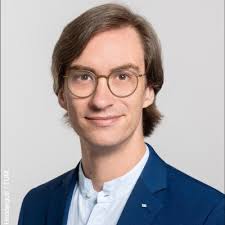
Helge Stein
Technical University of Munich • Munich Center for Machine Learning
Read More
Prof. Helge S. Stein holds the Chair of Digital Catalysis at the Technical University of Munich. He develops robotic and data-driven experimental methods for the accelerated discovery, characterization, and upscaling of new materials in catalysis and secondary batteries. His goal is to establish a global decentralized material acceleration platform (MAP) spanning from discovery to production. He obtained his doctorate from Ruhr University Bochum in 2017 and conducted research at Caltech before joining KIT as a tenure-track professor in applied electrochemistry, then moving to TUM in 2023.
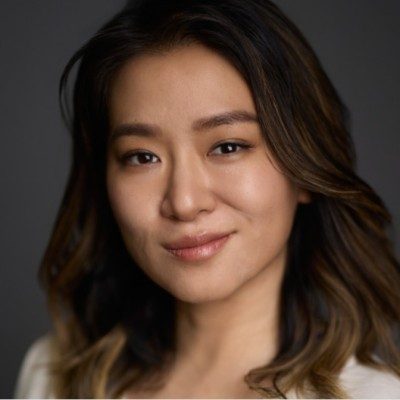
Inch Chua
Between the Devil & the Deep Blue Sea
Read More
Inch Chua is associated with Between the Devil & the Deep Blue Sea, working across creative and interdisciplinary artistic domains.
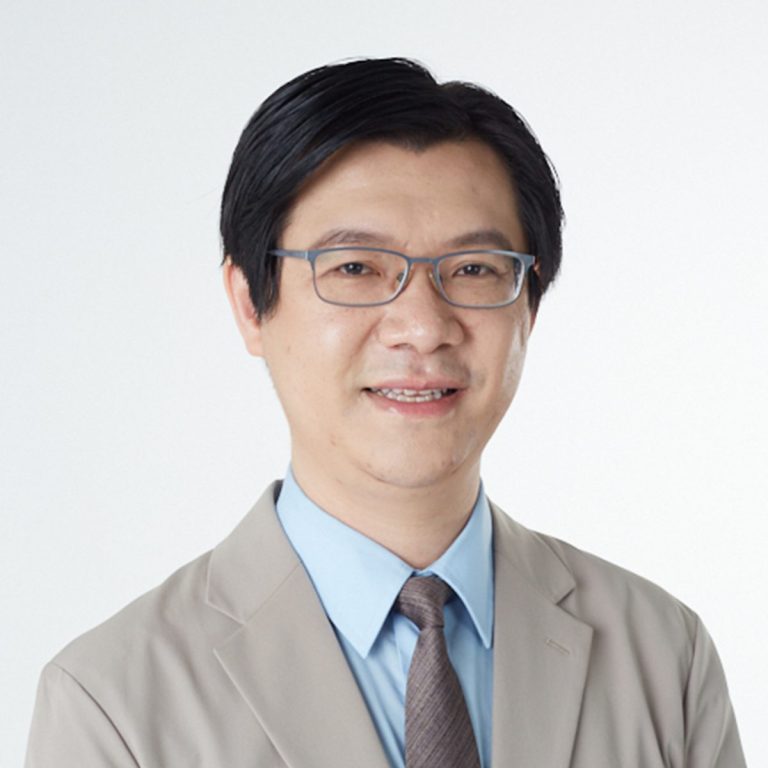
Ivor W. Tsang
CFAR
Read More
Professor Ivor W. Tsang is Director of the A*STAR Centre for Frontier AI Research (CFAR) and Adjunct Professor at the College of Computing and Data Science, Nanyang Technological University, Singapore. He has led Singapore's national initiative on Trustworthy Foundation Models under the National Multimodal LLM Programme. He also leads research on Agentic World Models and oversees major national initiatives, including the AI Singapore Materials Design Grand Challenge and the Maritime AI Programme.
His research spans transfer learning, deep generative models, and big data analytics for ultra-high-dimensional data. His work has received international recognition, including the ARC Future Fellowship, the International Consortium of Chinese Mathematicians Best Paper Award, the IEEE TNN Outstanding 2004 Paper Award, the IEEE TMM 2014 Prize Paper Award, and recognition as the AI 2000 AAAI/IJCAI Most Influential Scholar in Australia in 2020. An IEEE Fellow, he is widely recognized for distinguished contributions to large-scale machine learning and transfer learning, and serves on the editorial boards of leading AI journals and program committees of top AI conferences.
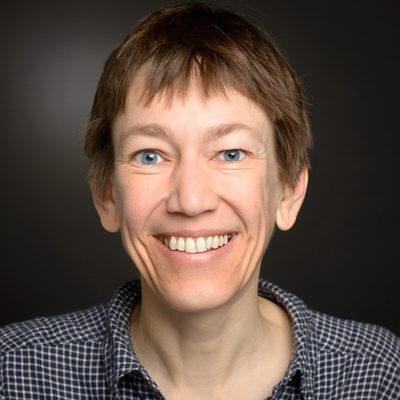
Jacqueline Cole
University of Cambridge
Read More
Jacqueline Cole applies computation and machine learning to chemistry and materials, including structure–property modelling and discovery workflows.
Jeff Adie
NVIDIA • Newcastle University
Read More
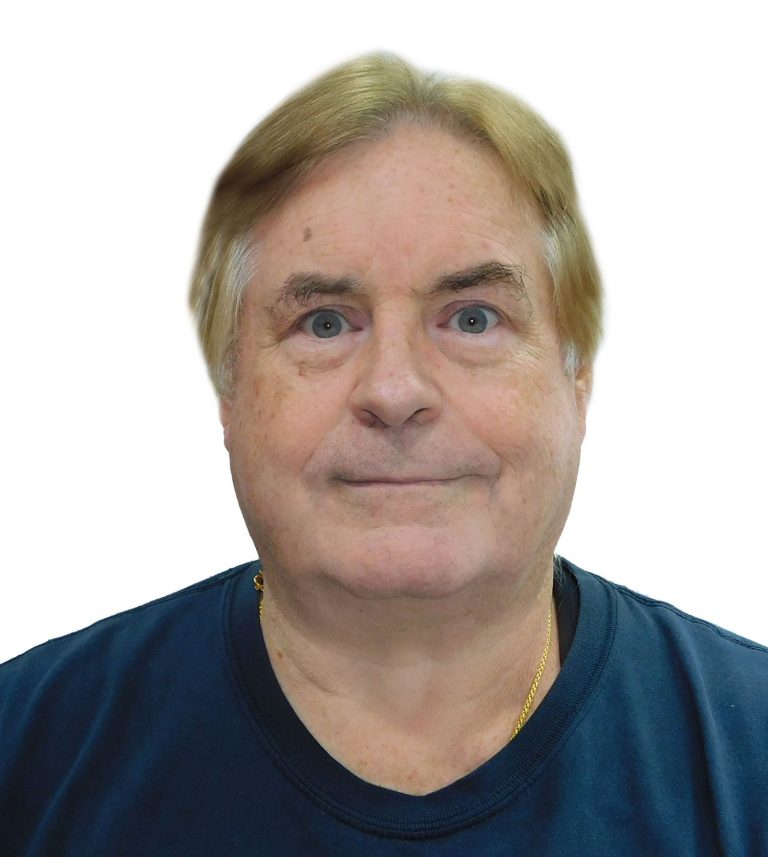
Jeff Adie is a distinguished engineer working in the NVIDIA AI Technology Center (NVAITC) in Singapore. Jeff has over 30 years of experience in operational weather forecasting and ocean modelling, combining traditional numerical approaches with the latest in AI techniques. Jeff has a postgraduate diploma in computer science from Auckland University, New Zealand, and he is currently a doctoral candidate at Newcastle University.
Jennifer Dodgson
Eigenform
Read More
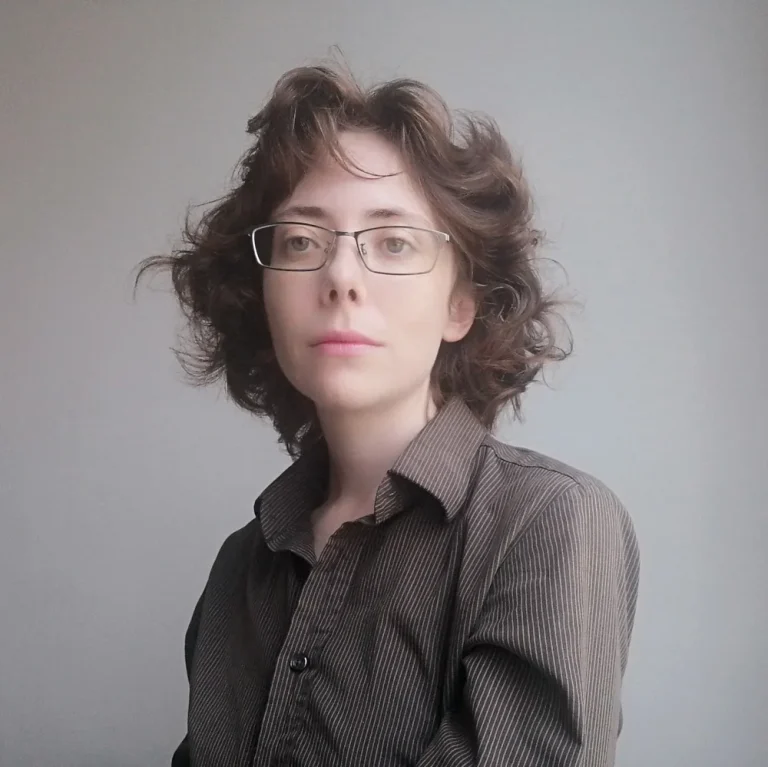
Jennifer Dodgson is an AI researcher and CEO of Eigenform. Her work includes AI, LLMs, statistics, and related digital research applications.
Jun Jiang
USTC • Hefei National Laboratory
Read More
Jun Jiang works on AI agents, intelligent chemistry automation, and self-driving laboratory systems for accelerated molecular discovery.
Karsten Reuter
Fritz Haber Institute • Max Planck Society
Read More
Karsten Reuter directs the Theory Department at the Fritz Haber Institute, developing multiscale and AI-accelerated models for catalysis and energy technology.
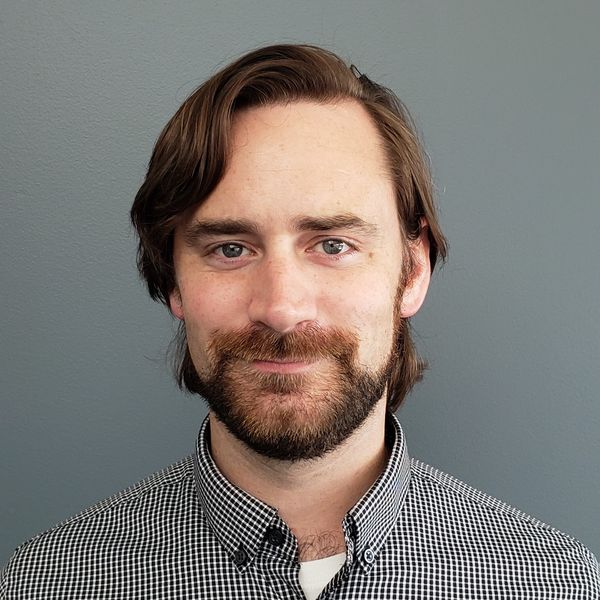
Keith Brown
Boston University
Read More
Keith A. Brown is an Associate Professor of Mechanical Engineering, Materials Science & Engineering, and Physics at Boston University. He earned an S.B. in Physics from MIT and a Ph.D. in Applied Physics from Harvard University. His KABlab develops self-driving laboratory platforms that combine automation and machine learning to accelerate the discovery and design of advanced materials, with a particular focus on polymers and hierarchical structures.
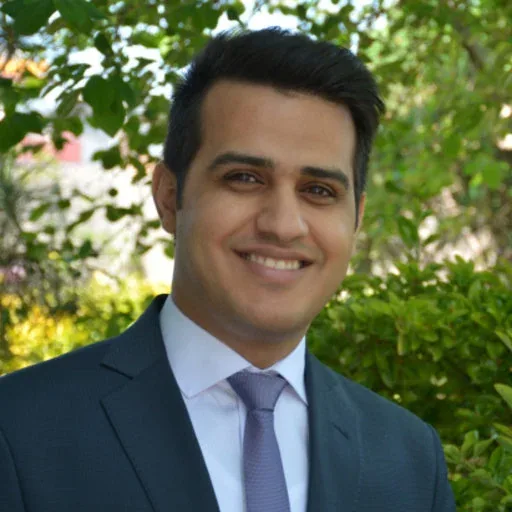
Kourosh Darvish
Acceleration Consortium • University of Toronto
Read More
Kourosh Darvish is a robotics and AI researcher working at the intersection of reinforcement learning and control, computer vision, and reasoning and planning. He is currently a Staff Scientist and Principal Investigator at the AI and Automation Lab at the Acceleration Consortium, University of Toronto, developing autonomous robotic systems for self-driving laboratories operating 24/7.
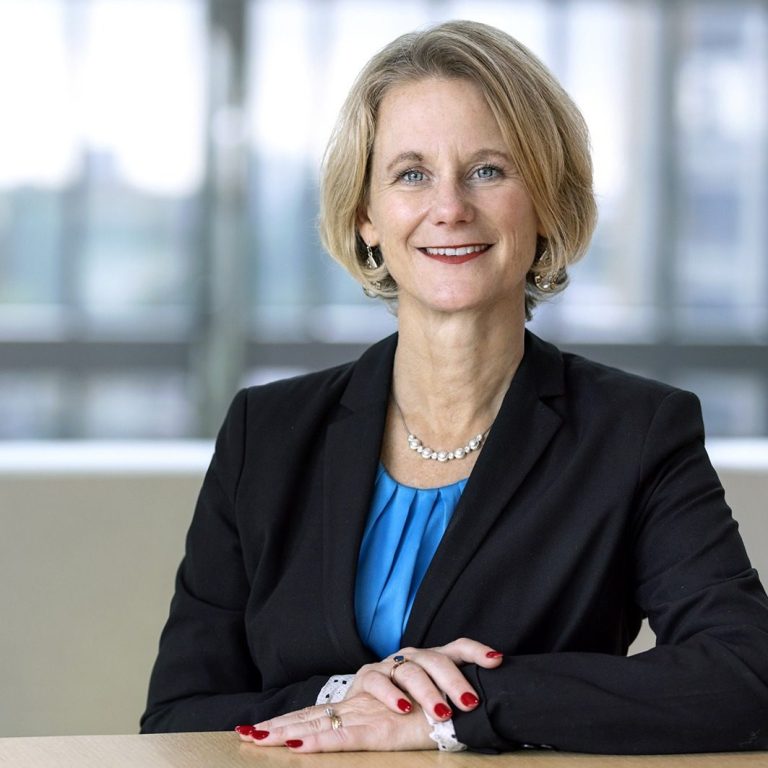
Laura Matz
Merck KGaA, Darmstadt, Germany
Read More
Dr. Laura Matz is the Chief Science and Technology Officer for Merck, driving innovation and digitalization across Life Science, Healthcare, and Electronics, with a focus on new digital business models and secure data sharing.
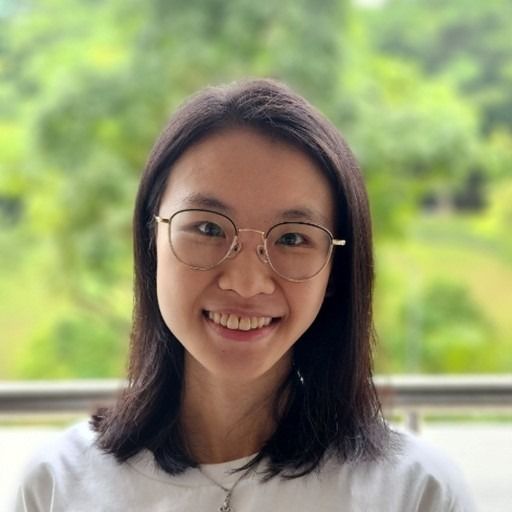
Leong Shi Xuan
Nanyang Technological University
Read More
Shi Xuan Leong is an Assistant Professor at Nanyang Technological University (NTU). Her research focuses on digital (electro)chemistry. Her group develops intelligent and adaptive systems for autonomous reaction discovery, scientific data digitalization, and chemical/materials informatics, with the goal of accelerating data-driven scientific discovery.
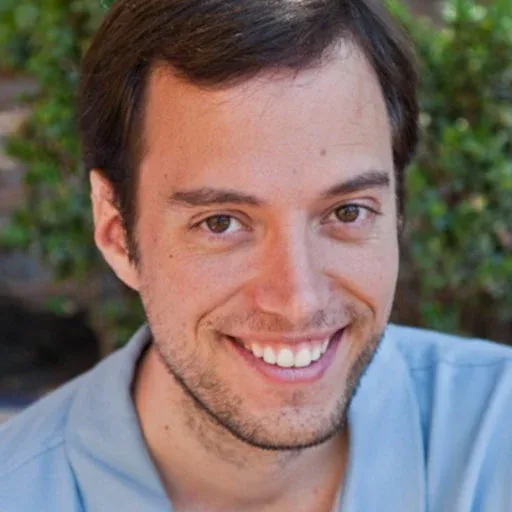
Luis Camuñas-Mesa
IMSE-CNM • CSIC • University of Seville
Read More
Luis Camuñas-Mesa works on neuromorphic systems, unconventional computing, and event-driven hardware architectures.
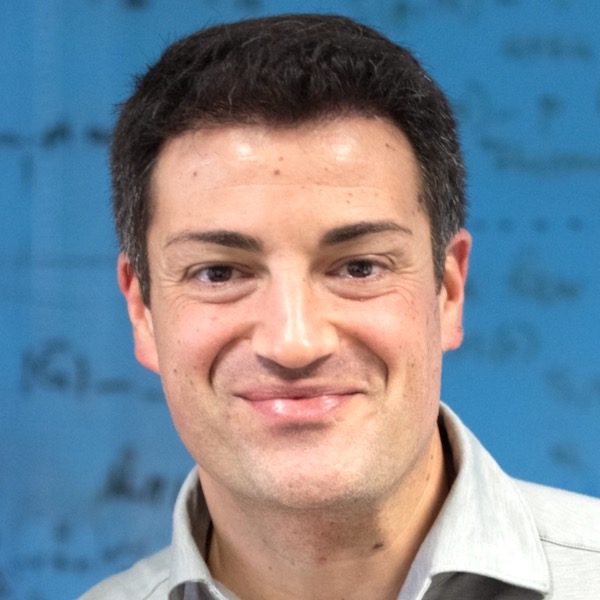
Marco Bernardi
Caltech
Read More
Marco Bernardi develops computational and AI-driven methods for electronic transport, excitons, and quantum phenomena in advanced materials.
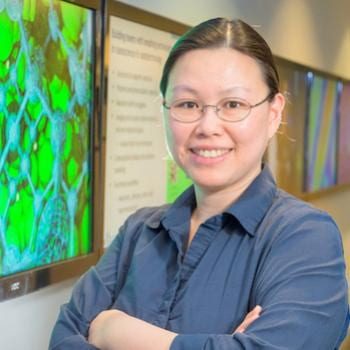
Maria K. Chan
Argonne National Laboratory
Read More
Maria K. Chan is a scientist at the Center for Nanoscale Materials at Argonne National Laboratory who studies nanomaterials and renewable energy materials, including solar cells, batteries, thermoelectrics, and catalysts. Her particular focus is on using AI/ML for efficient materials property prediction and for interfacing computational models with x-ray, electron, and scanning probe characterization. She is a Senior Fellow at the Northwestern Argonne Institute for Science and Engineering, an APS Fellow, and an associate editor at the ACS Journal Chemistry of Materials.
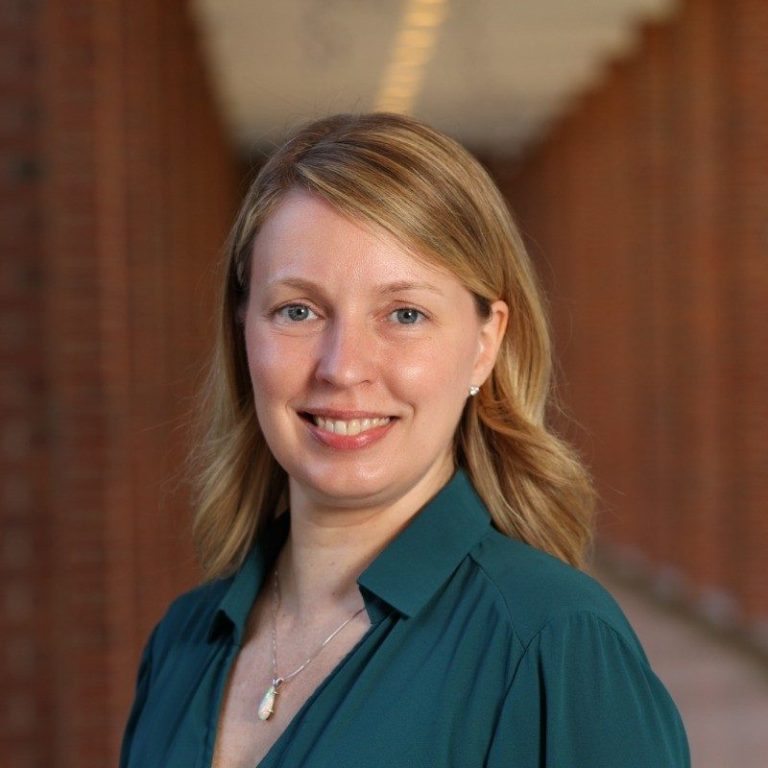
Melodie Christensen
Merck
Read More
Melodie Christensen is a scientific leader with expertise in automation, data science, catalysis, and process chemistry. Proven track record in developing and implementing data-rich technologies in pharmaceutical process development. Skilled in driving technology investment and adoption. Exceptional in key talent identification and development. Excellent collaborator who thrives in multidisciplinary team environments. Effective communicator with a strong interest in organizational psychology.
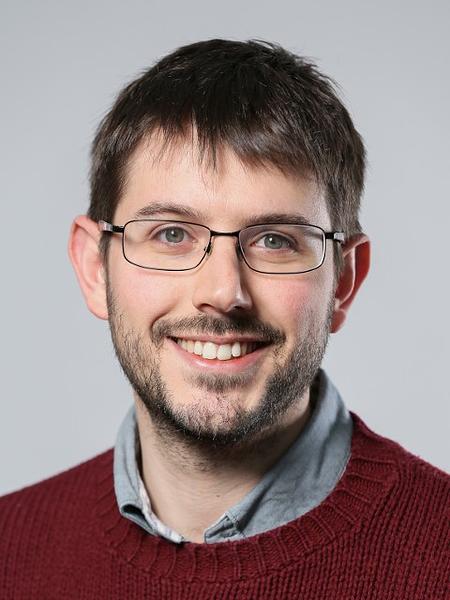
Michele Ceriotti
EPFL
Read More
Michele Ceriotti received his Ph.D. in Physics from ETH Zürich. He spent three years in Oxford as a Junior Research Fellow at Merton College. Since 2013 he leads the laboratory for Computational Science and Modeling, in the institute of Materials at EPFL, that focuses on method development for atomistic materials modeling based on statistical mechanics and machine learning. He is one of the core developers of several open-source software packages, including metatensor.org, ipi-code.org and chemiscope.org, and proudly serves the atomistic modeling community as an associate editor of the Journal of Chemical Physics, as a moderator of the physics.chem-ph section of the arXiv, and as an editorial board member of Physical Review Materials.
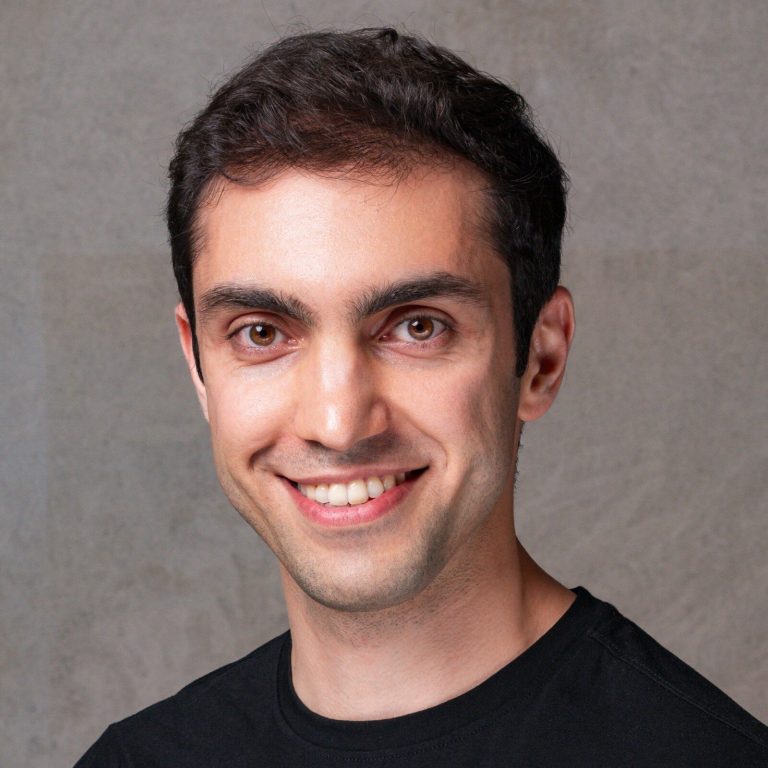
Mohamad Moosavi
Vector Institute
Read More
Mohamad Moosavi is an Assistant Professor of Chemical Engineering and Applied Chemistry at the University of Toronto and a Faculty Affiliate of the Vector Institute. Mohamad directs the Artificial Intelligence for Chemical Science (AI4ChemS) research group, focusing on leveraging AI and computational methods for the discovery of advanced materials. His team's current research is concentrated on developing MOFs and nanoporous materials for carbon capture and conversion, aiming to contribute to technology development for our sustainable future. Mohamad's academic journey began with an undergraduate degree in Mechanical Engineering from Sharif University of Technology, Iran, followed by a PhD in Chemistry and Chemical Engineering from EPFL Switzerland, and a Postdoctoral Fellowship in Mathematics and Computer Science at the Free University of Berlin, Germany.
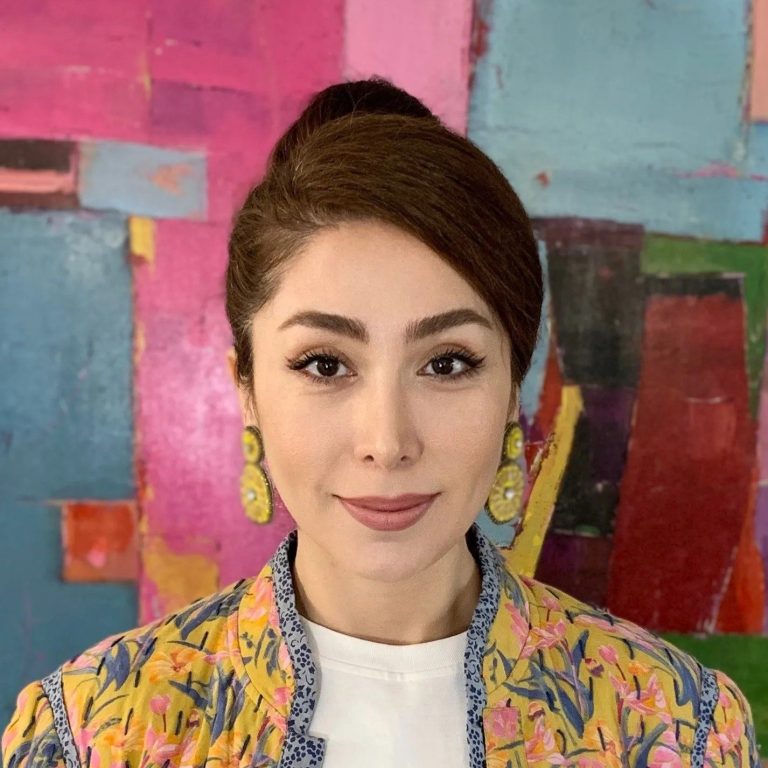
Nasim Abdollahi
Acceleration Consortium • University of Toronto
Read More
Nasim Abdollahi is an ML and AI specialist at the Acceleration Consortium, University of Toronto, supporting self-driving laboratory efforts.
Nancy F. Chen
A*STAR
Read More
Dr. Nancy F. Chen is an ISCA Fellow, AAIA Fellow, and A*STAR Fellow (2023), and recipient of the Asian Women Tech Leaders Award (2025). At A*STAR, she leads the Multimodal Generative AI Group and the AI for Education Programme at the Institute for Infocomm Research (I2R), and is also a Principal Investigator at the Centre for Frontier AI Research (CFAR). Her research spans generative AI in speech, language, and conversational technology, with applications in education, healthcare, defence, and media. She received her PhD from MIT and Harvard, has published 100+ papers, and is a serial Best Paper Award winner at leading international venues including ICASSP, ACL, EMNLP, COLING, and SIGDIAL. Her multilingual AI technologies have led to commercial spin-offs and adoption by Singapore's Ministry of Education.
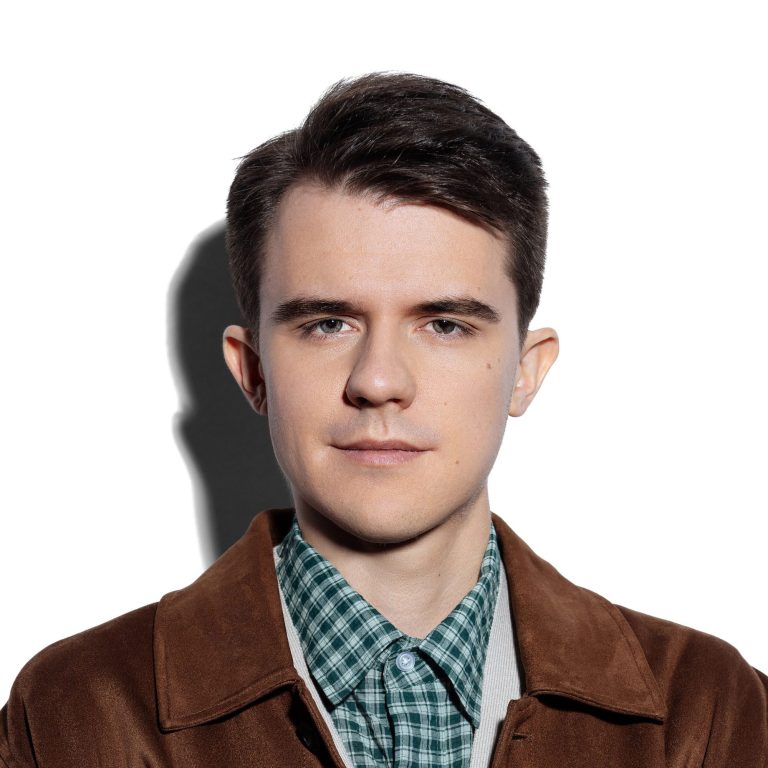
Nikita Kazeev
Institute for Functional Intelligent Materials
Read More
Nikita Kazeev is a Research Fellow at the Institute for Functional Intelligent Materials, National University of Singapore, and Co-Principal Investigator of a US$3.4M AI Singapore project on machine learning for multiscale physical processes. He holds a dual PhD in computer science (HSE University) and physics (Sapienza Università di Roma), and trained at MIPT and the Yandex School of Data Analysis. At CERN, his machine-learning methods for high-energy physics contributed to the LHCb collaboration's work, recognized by the 2025 Breakthrough Prize in Fundamental Physics, and his materials research has appeared in venues including ICML main tack and Nature npj Computational Materials. He has taught machine learning widely — as a lecturer on the Advanced Machine Learning Coursera specialization and, for eight years, at the Machine Learning in High Energy Physics summer school.
Ngiam Kee Yuan
National University Health System
Read More
Adj Prof Ngiam Kee Yuan is Head of the Artificial Intelligence Office at the National University Health System (NUHS) and Head of the Division of Biomedical Informatics at the Yong Loo Lin School of Medicine, NUS. He is also Head and Senior Consultant in the Division of Thyroid and Endocrine Surgery at the National University Hospital. A clinician-scientist with 130+ publications and 4,400+ citations, he is an expert in clinical AI implementation, minimally invasive thyroid surgery, and healthcare technology innovation. He led the development of the Discovery AI and Endeavour AI programmes at NUHS, and was awarded the ExxonMobil-NUS Research Fellowship for his interdisciplinary AI work.
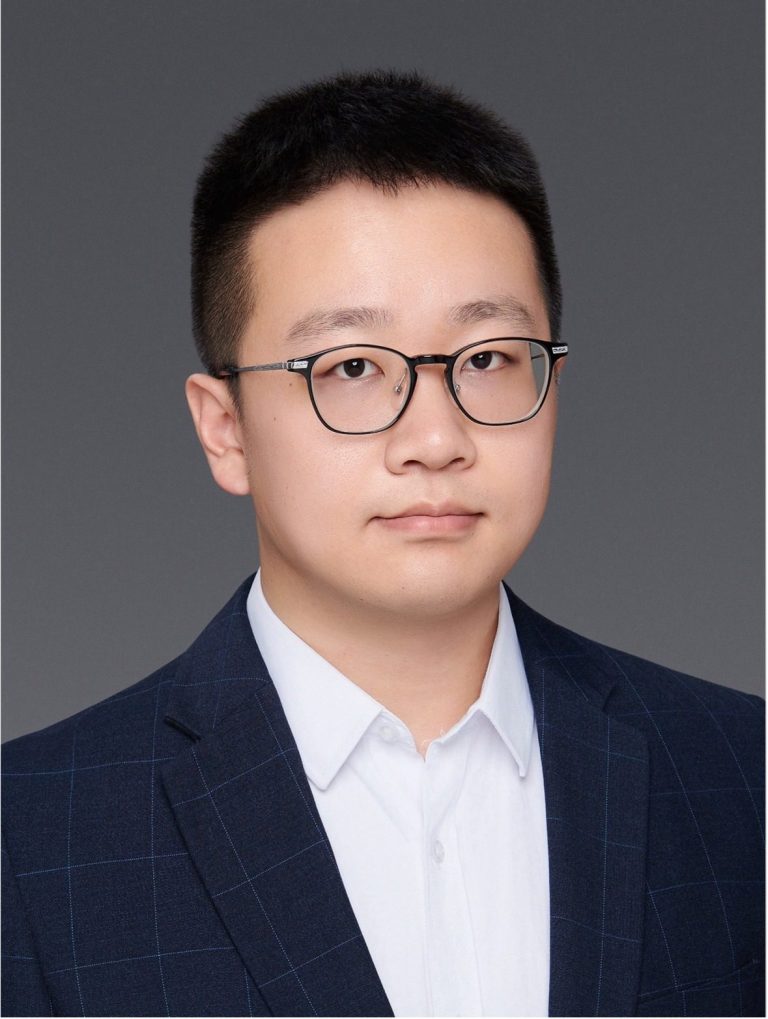
Peichen Zhong
Department of Materials Science and Engineering, National University of Singapore
Read More
Dr. Peichen Zhong is an Assistant Professor at the Department of Materials Science and Engineering, National University of Singapore. He obtained a BS in Physics from the University of Science and Technology of China (USTC) in 2018, followed by a PhD in Materials Science from UC Berkeley in 2023. He then completed the postdoctoral work at Lawrence Berkeley National Laboratory (LBNL) and Bakar Institute of Digital Materials for the Planet (BIDMaP). He was awarded the 2023 Rising Stars in Materials Science and Engineering by CMU/MIT/Stanford, the BIDMaP Emerging Scholar Fellowship from the College of Data Science, Computing and Society (CDSS) at UC Berkeley, and the AI2050 Early Career Fellowship by Schmidt Sciences.
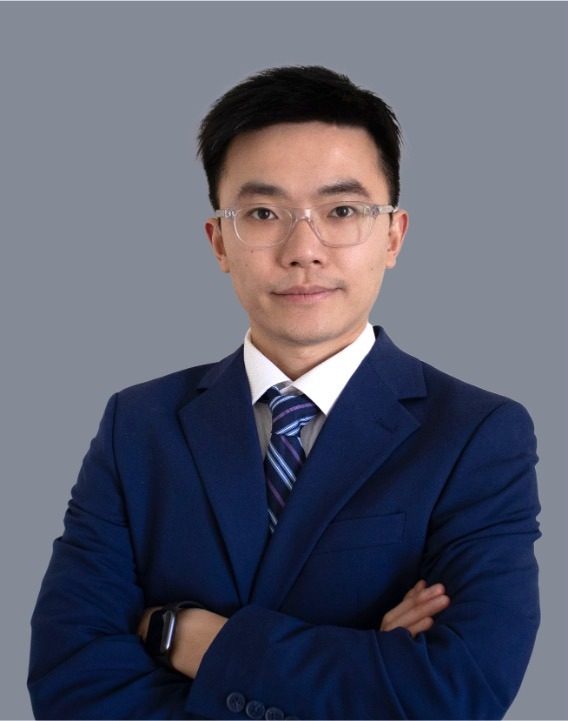
Pengfei Ou
Department of Chemistry, National University of Singapore
Read More
Dr. Pengfei Ou is an Assistant Professor in the Department of Chemistry at the National University of Singapore, appointed with the NUS Presidential Young Professorship. He completed his Ph.D. in Materials Engineering at McGill University in 2020. He subsequently carried out postdoctoral research at the University of Toronto and Northwestern University from 2020 to 2024, before joining NUS Chemistry in August 2024. His research focuses on developing a computational framework that integrates DFT calculations, AIMD simulations, electrochemical interface modeling, active learning data generation, and machine-learned interatomic potentials for large-scale simulations, enabling predictive modeling of catalytic reactions and degradation at electrified interfaces.
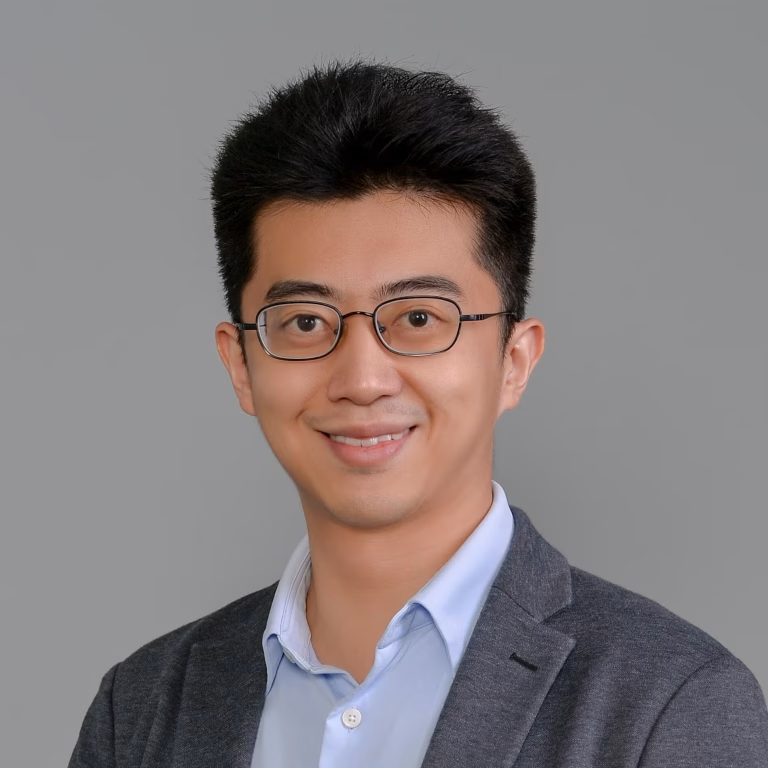
Qianxiao Li
Department of Mathematics, National University of Singapore
Read More
Qianxiao Li is an Associate Professor in the Department of Mathematics and a Principal Investigator at the Institute for Functional Intelligent Materials, National University of Singapore. He graduated with a BA in mathematics from the University of Cambridge and a PhD in applied mathematics from Princeton University. His research interests include the interplay of machine learning and dynamical systems, control theory, stochastic optimisation algorithms, and data-driven methods for science and engineering.
Ray Meng Gao
Meta
Read More
Ray Meng Gao works on AI methods and their applications across scientific problems, including chemistry, materials science, and physics.
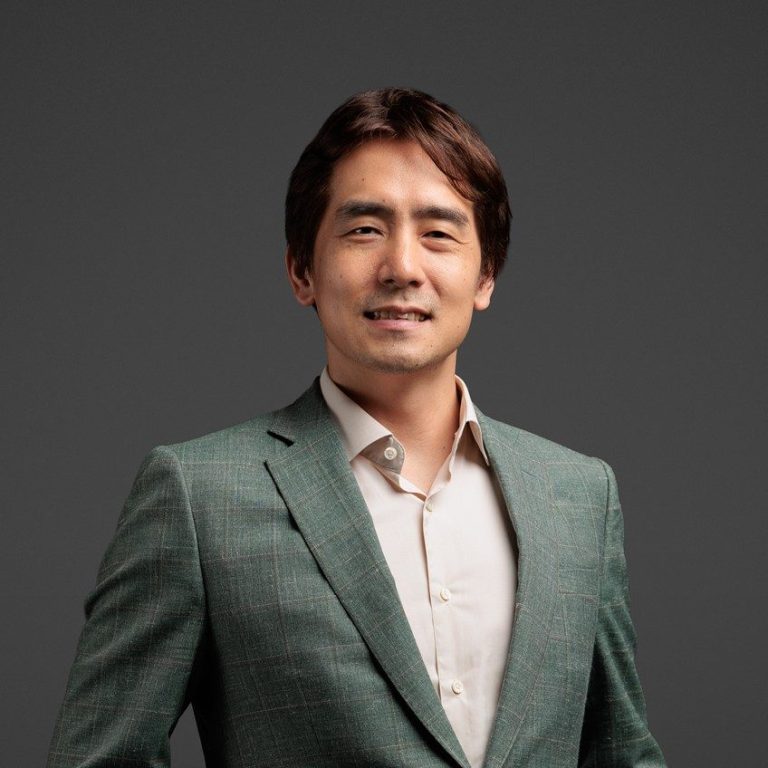
Ryutaro Uchiyama
Singapore University of Technology and Design
Read More
Ryutaro Uchiyama is an Assistant Professor in the Humanities, Arts and Social Sciences (HASS) cluster at the Singapore University of Technology and Design (SUTD). An interdisciplinary behavioral scientist, his work bridges human evolutionary biology, computational neuroscience, and cultural psychology. He obtained his PhD from the London School of Economics, an MA from Cornell University, and a BSc from the University of Lethbridge, Canada. Prior to joining SUTD, he conducted postdoctoral research at the Tübingen AI Center and in a joint NTU–Cambridge position. His research spans human-centered AI, education, healthcare, and creativity, with projects funded by SMU-SUTD joint grants.
Santiago Miret
Lila Sciences
Read More
Santiago Miret is Director of Machine Learning for Materials at Lila Sciences, an AI company building scientific superintelligence platforms. He is also a lead organizer of the AI4Mat workshop series. Previously he served as AI for Science Research Lead at Intel Labs, where he focused on applying machine learning to materials discovery and development. He holds a PhD from UC Berkeley and has broad expertise in deep learning, materials informatics, and scientific AI.
Shoichi Matsuda
NIMS
Read More
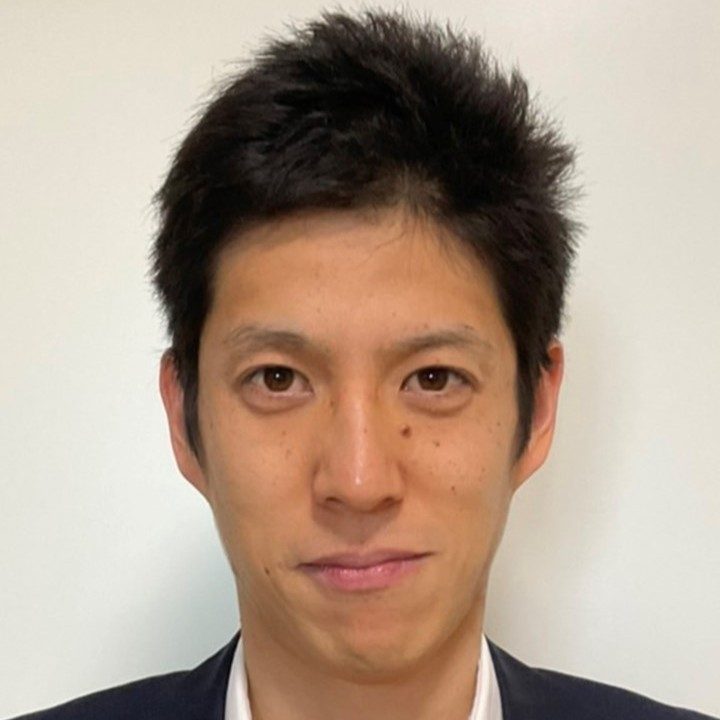
Shoichi Matsuda works on autonomous robotic experimentation in the field of rechargeable batteries, establishing closed-loop experimental workflows that enable the discovery and optimization of electrolyte compositions to maximize battery performance.
Shyue Ping Ong
National University of Singapore (NUS)
Read More
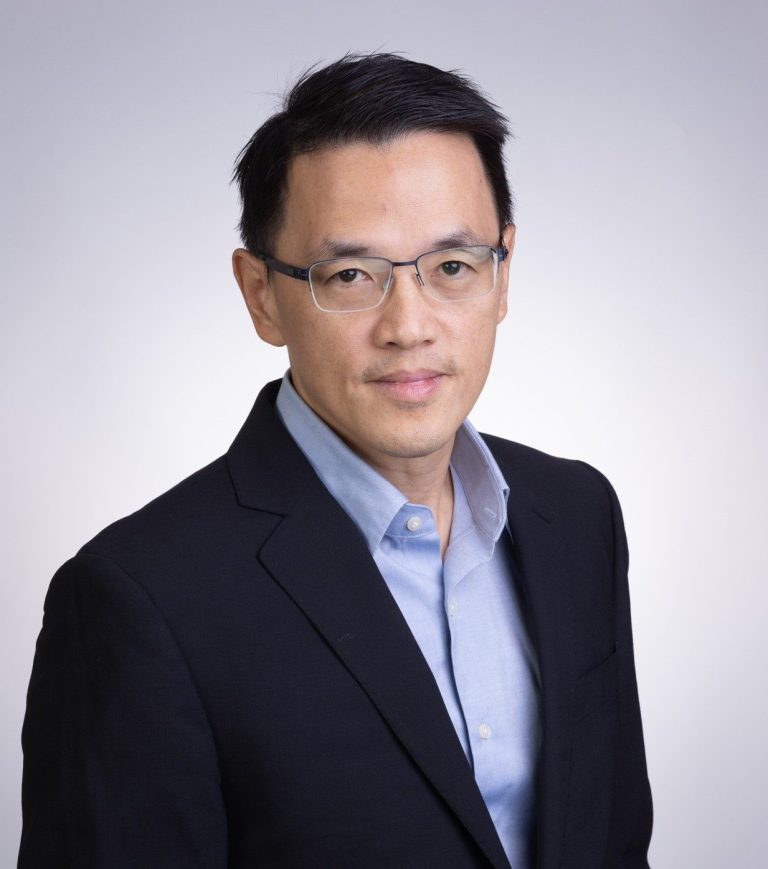
Prof Shyue Ping Ong is the Provost's Chair Professor in Materials Science and Engineering at the National University of Singapore. He leads the Materialyze.AI lab, a materials informatics research group focused on the integration of materials science with data science and artificial intelligence to accelerate the discovery and design of materials. He is widely recognized as one of the pioneers of foundation potentials, i.e., machine learning interatomic potentials with near-complete coverage of the periodic table that has broad applications in materials discovery and design. Prof Ong is also the founder and lead developer of pymatgen, one of the most popular open-source libraries for materials analysis, and a core contributor to the Materials Project, a public platform that provides computed properties of tens of thousands of inorganic compounds. Ong earned his PhD in Materials Science and Engineering from the Massachusetts Institute of Technology in 2011, and an MEng and BA in Electrical and Information Science from the University of Cambridge in 1999. He has authored more than 150 peer-reviewed publications, and has been recognized as a Clarivate Highly Cited Researcher since 2021.
Simon J. L. Billinge
Columbia University • Brookhaven National Laboratory
Read More
Simon J. L. Billinge is a Professor of Materials Science, Applied Physics and Applied Mathematics at Columbia University and a physicist at Brookhaven National Laboratory. He develops advanced diffraction and data-science methods, including AI- and ML-driven analysis, to reveal local structure in complex materials.
Sulfikar Amir
Nanyang Technological University
Read More
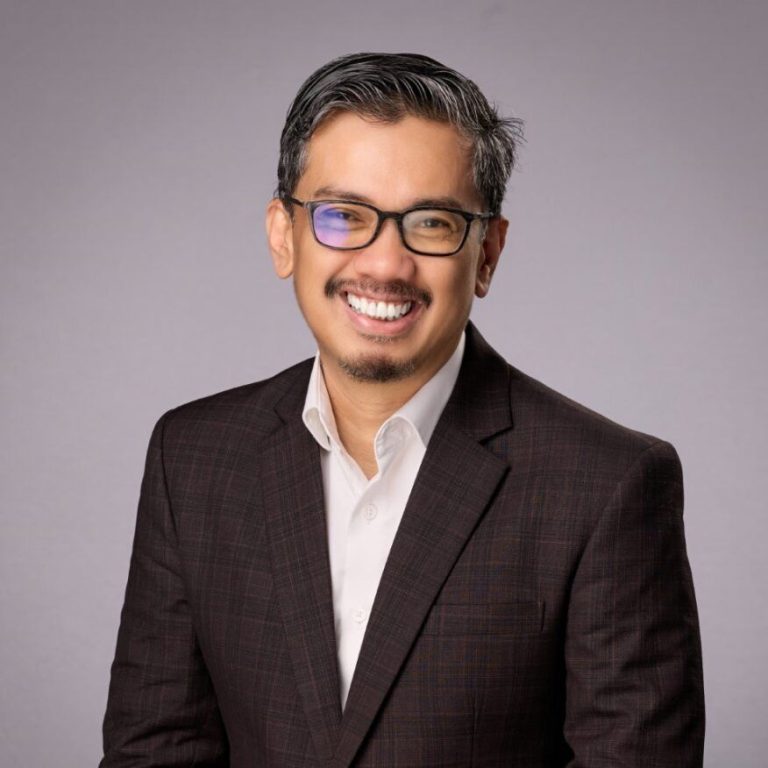
Sulfikar Amir is an Associate Professor of Science, Technology, and Society (STS) and a faculty member in Sociology Programme at the School of Social Sciences NTU. His research interests primarily focus on examining institutional, political, and epistemological dimensions of scientific knowledge and technological systems. He has conducted research on technological nationalism, development and globalisation, nuclear politics, risk and disaster, design studies, city and infrastructure, and resilience. Sulfikar Amir is the author of "The Technological State in Indonesia: the Co-constitution of High Technology and Authoritarian Politics" (Routledge, 2012), and the editor of "The Sociotechnical Constitution of Resilience: A New Perspective on Governing Risk and Disaster" (Palgrave, 2018). Currently, he is working on the social dimensions of digitalization and Artificial Intelligence.
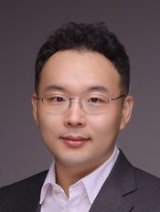
Seunghwa Ryu
Korea Advanced Institute of Science and Technology (KAIST)
Read More
Seunghwa Ryu is a Professor at KAIST. His research focuses on multiscale modeling, mechanics of materials, AI-based materials design, homogenization theory, additive manufacturing, and machine learning for inverse design of materials systems.
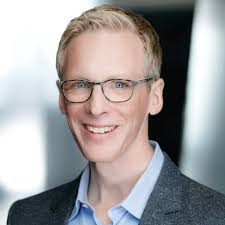
Tapio Schneider
Caltech • Google Research
Read More
Tapio Schneider leads the Climate Modeling Alliance (CliMA), building next-generation Earth system models integrating physics and machine learning.
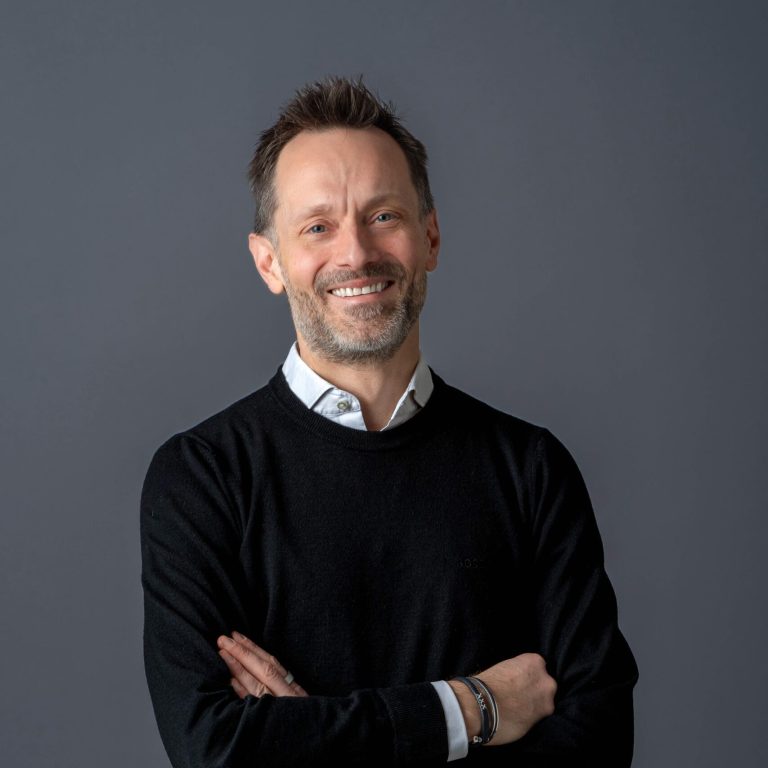
Tejs Vegge
DTU Energy
Read More
Tejs Vegge is a Professor at DTU Energy and works on autonomous materials discovery, computational materials design, and energy conversion and storage.
Ting Zhang
Suzhou Institute of Nanotech & Nanobionics
Read More
Ting Zhang is a full professor and director of the i-Lab department at the Suzhou Institute of Nano-Tech and Nano-Bionics, Chinese Academy of Sciences. His work includes nanoelectronics, nanosensors, and nanofabrication.
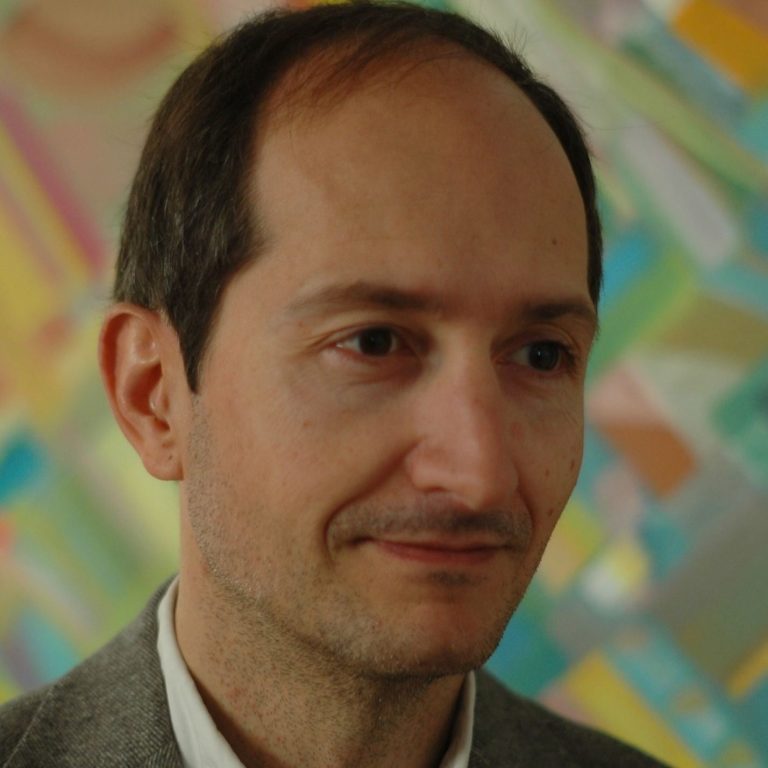
Tommaso Dorigo
INFN • University of Padova
Read More
Tommaso Dorigo is a senior scientist at INFN specialising in particle physics and machine learning, contributing to major projects including CMS at CERN.
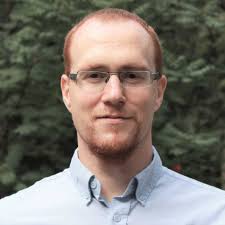
Torsten Hoefler
ETH Zurich • CSCS • Microsoft • Axelera AI • ELLIS • ADIA Lab
Read More
Torsten Hoefler works on high-performance computing and scalable machine-learning systems that enable next-generation scientific computing.
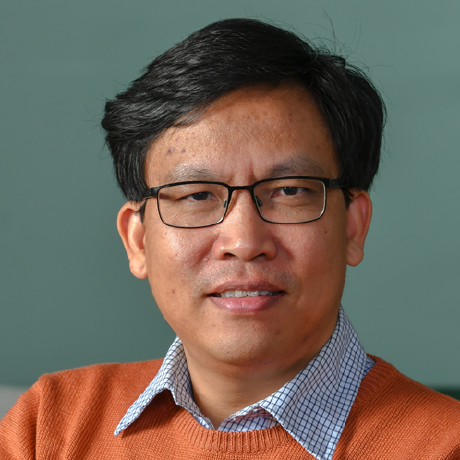
Truyen Tran
Deakin University
Read More
Truyen Tran is Professor and Head of AI, Health and Science at the Applied Artificial Intelligence Institute, Deakin University. His work spans foundational AI, AI for scientific discovery, and AI for health. He develops AI systems that combine language, perception, retrieval, tools, coding, and evaluation, with a focus on deep learning, machine reasoning, and clinical data analysis. He obtained his BSc from the University of Melbourne and a PhD in Computer Science from Curtin University.
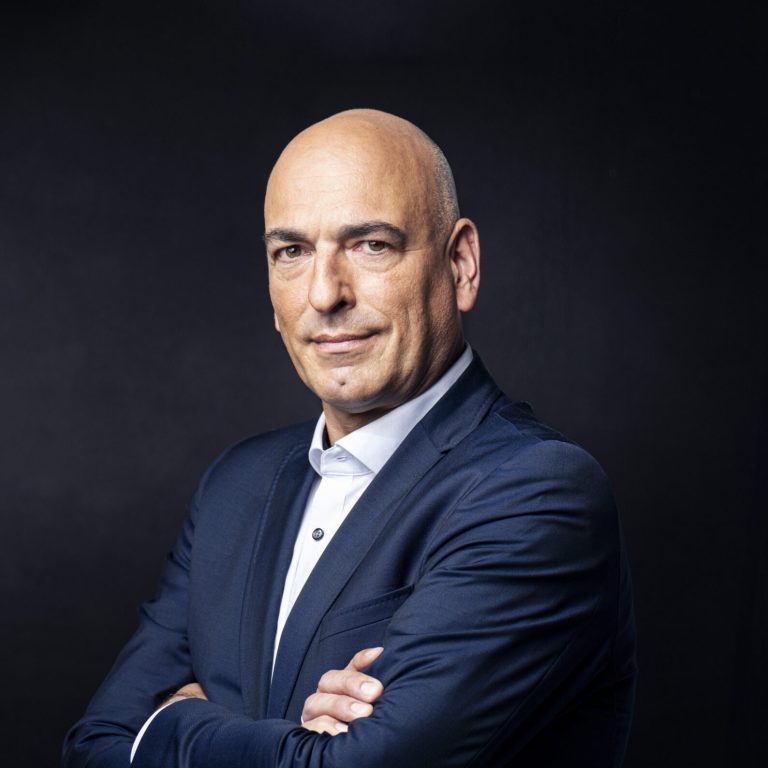
Ulrich S. Schubert
Friedrich Schiller University Jena
Read More
Ulrich S. Schubert is a full professor of Organic and Macromolecular Chemistry at Friedrich Schiller University Jena, head of the Laboratory of Organic and Macromolecular Chemistry and director of the Center for Energy and Environmental Chemistry Jena. His research focuses on functional and supramolecular polymers, polymer-based energy storage, and digitally assisted, high-throughput materials discovery.
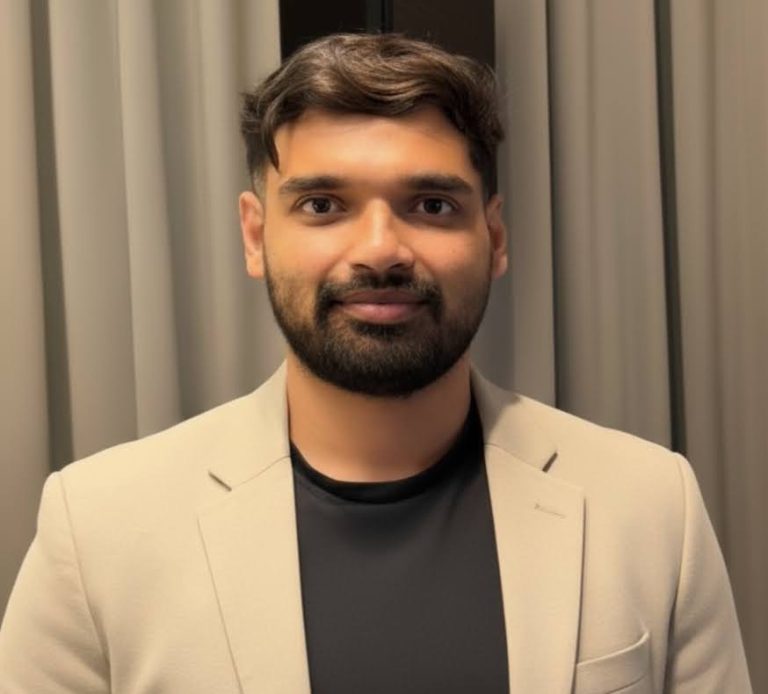
Vivek Natarajan
Google DeepMind
Read More
Vivek Natarajan is a Research Scientist at Google DeepMind leading research at the intersection of AI, science and medicine. He is the lead researcher behind Med-PaLM (Nature, 2023) and Med-PaLM 2 (Nature Medicine, 2025), and co-leads Project AMIE and the AI co-scientist program to accelerate scientific discovery.
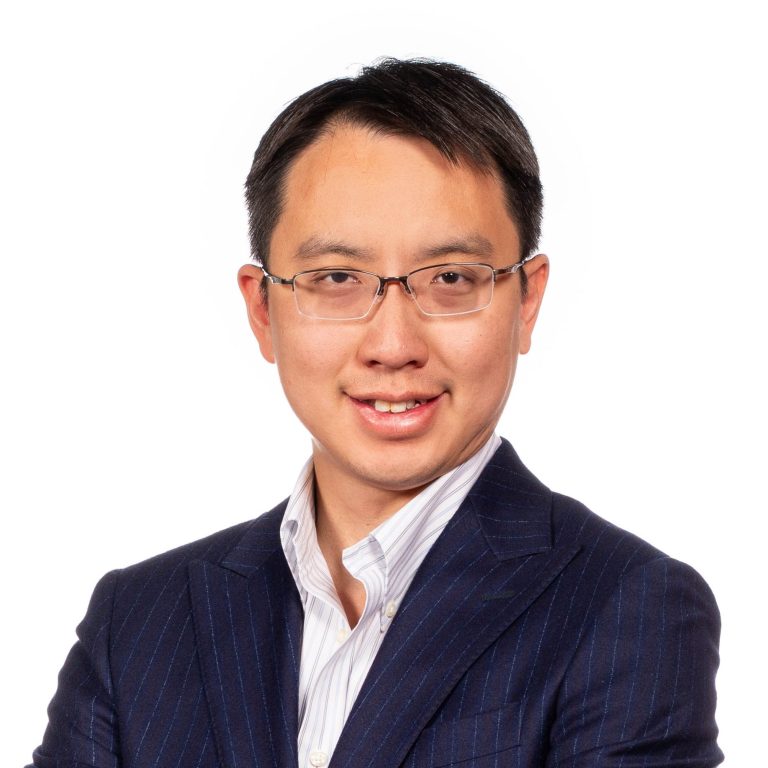
Wen Jie Ong
NVIDIA
Read More
Wen Jie Ong is the Senior Product Manager for NVIDIA ALCHEMI. A chemist by training, he earned his PhD at MIT and previously advised chemicals and technology companies at McKinsey.
Yanwei Lum
National University of Singapore
Read More
Yanwei Lum is an NUS Presidential Young Assistant Professor in the Department of Chemical and Biomolecular Engineering, National University of Singapore. He obtained his BEng from Imperial College London and his PhD from UC Berkeley in 2018, followed by a postdoctoral stint at the University of Toronto. His research focuses on electrochemical CO₂ reduction, electroorganic chemistry, and hydrogen production and storage — technologies central to building a sustainable, net-zero future. He is a National Research Foundation Fellow (2022), recipient of the MIT TR35 Innovators Under 35 Asia Pacific Award, and winner of the 2025 Waterloo Institute for Nanotechnology Rising Star Award.
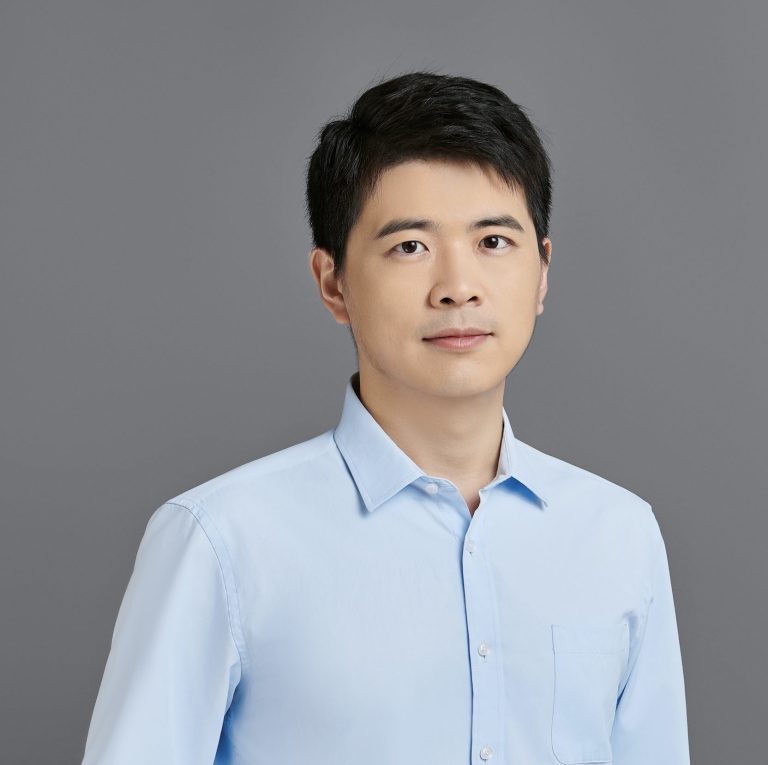
Yatao Bian
Department of Computer Science, National University of Singapore
Read More
Yatao Bian is an Assistant Professor in the Department of Computer Science at the National University of Singapore. His research focuses on machine learning and AI for science, including graph neural networks, self-supervised learning, and AI-driven drug discovery and molecular design.
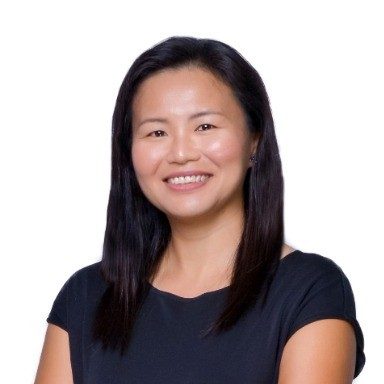
Yeong Wai Yee
Nanyang Technological University
Read More
Prof Yeong Wai Yee is Chair of the School of Mechanical and Aerospace Engineering and Programme Director of the Singapore Centre for 3D Printing (SC3DP) at Nanyang Technological University. She received her BEng (First Class Honours) and PhD in Mechanical and Aerospace Engineering from NTU. Internationally recognised for her work in 3D bioprinting, tissue engineering, and biomedical additive manufacturing, her research focuses on translational applications in healthcare including implants, scaffolds, and bioinks. She is the inaugural winner of the TCT Women in 3D Printing Award (2019) and has led sponsored projects exceeding SGD 8 million. She also actively applies AI to engineering education and manufacturing innovation.
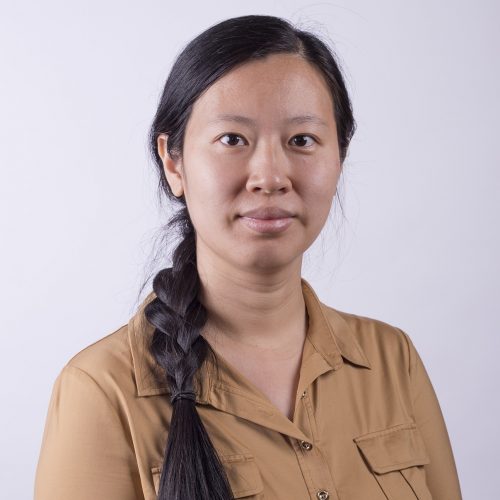
Yimu Zhao
Acceleration Consortium • University of Toronto
Read More
Yimu Zhao is a Staff Scientist and Principal Investigator at the Acceleration Consortium, University of Toronto, leading the Human Organ Mimicry self-driving lab. A biomedical engineer by training, she earned her PhD at the University of Toronto and conducted postdoctoral work at Columbia University, focusing on organ-on-a-chip platforms and cardiac tissue engineering. She is a co-founder of TARA Biosystems, Inc. and a recipient of the NSERC Postdoctoral Fellowship.
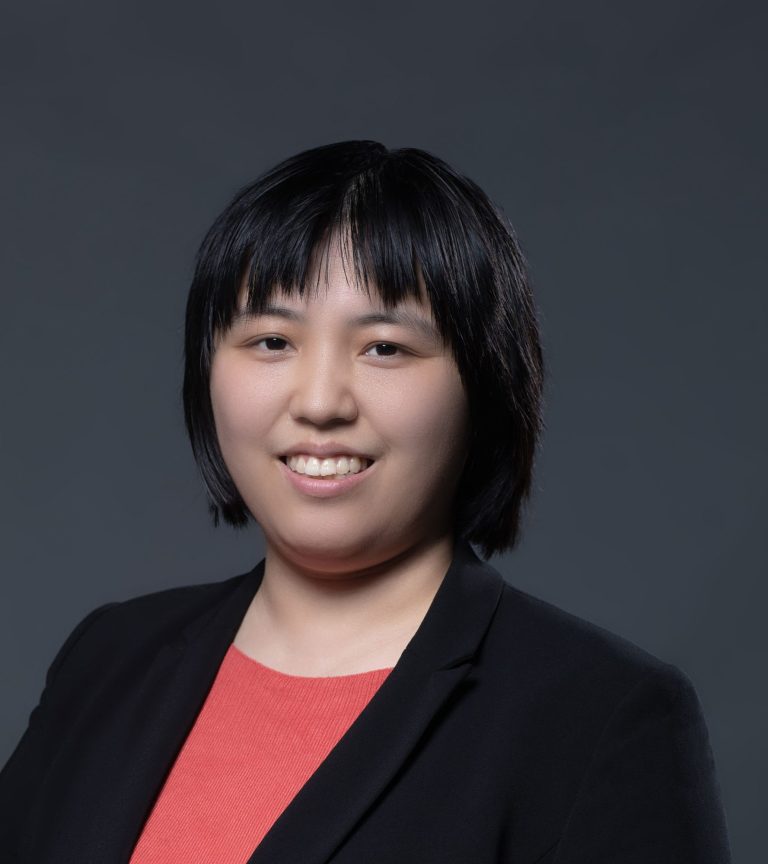
Yizhou Zhu
Westlake University
Read More
I am currently an assistant professor in the Department of Materials Science and Engineering from Westlake University. My current research interests includes: 1) Automated XRD analysis; 2) Rational solid state synthesis; 3) Machine learning force fields for solid electrolyte materials
Yongcun Song
Nanyang Technological University
Read More
Yongcun Song is a researcher at Nanyang Technological University whose work sits at the intersection of numerical optimization, machine learning, and scientific computing. His research interests include optimal control theory, physics-informed neural networks, and PDE-constrained optimization, with applications in engineering and applied mathematics. He has contributed to algorithmic frameworks combining ADMM with PINNs for nonsmooth optimization problems.
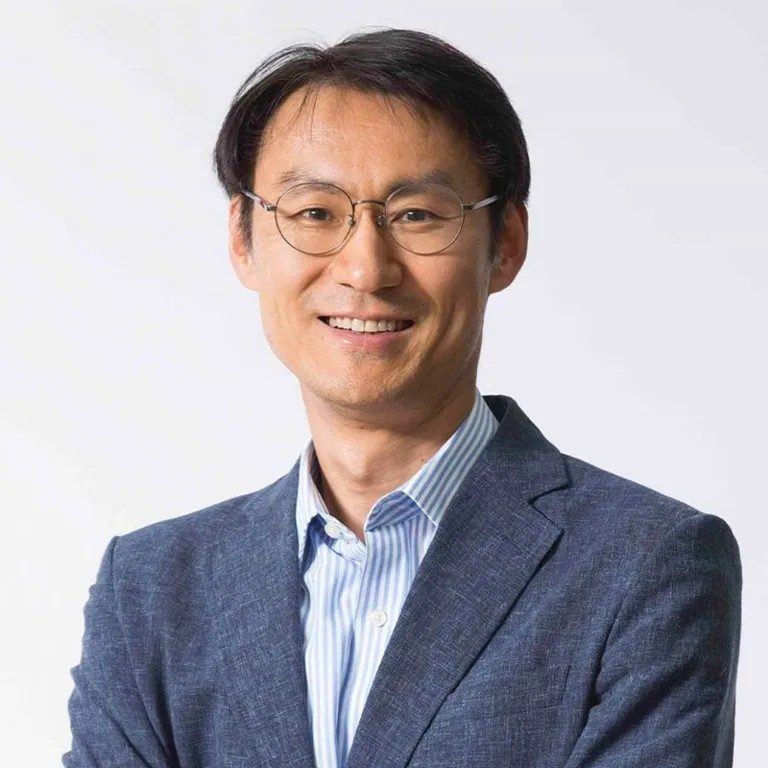
Yousung Jung
Seoul National University
Read More
Yousung Jung is a Professor of Chemical and Biological Engineering at Seoul National University and an adjunct faculty member in the Graduate School of AI. His research includes quantum chemistry and machine learning for molecular and materials discovery.
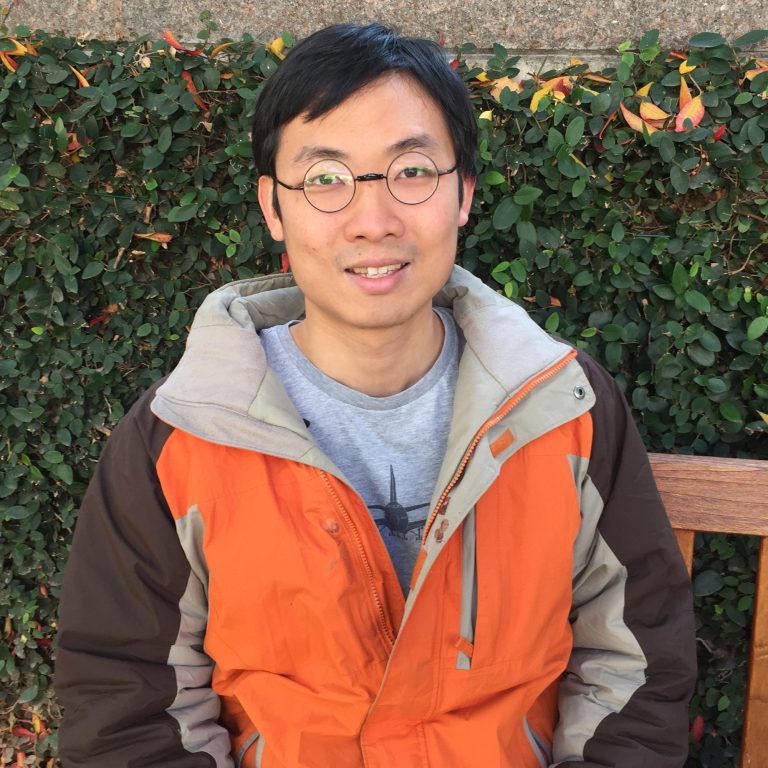
Yuehaw Khoo
University of Chicago
Read More
Yuehaw Khoo is an assistant Professor at the University of Chicago. He works in computational math, focusing on high-dimensional problems in many-body physics and structural biology. He did his postdoctoral study at Stanford University and graduate study at Princeton University.