
Archive · AI4X 2026
This is an archive of a past edition. See AI4X 2027 →
← AI4X 2026
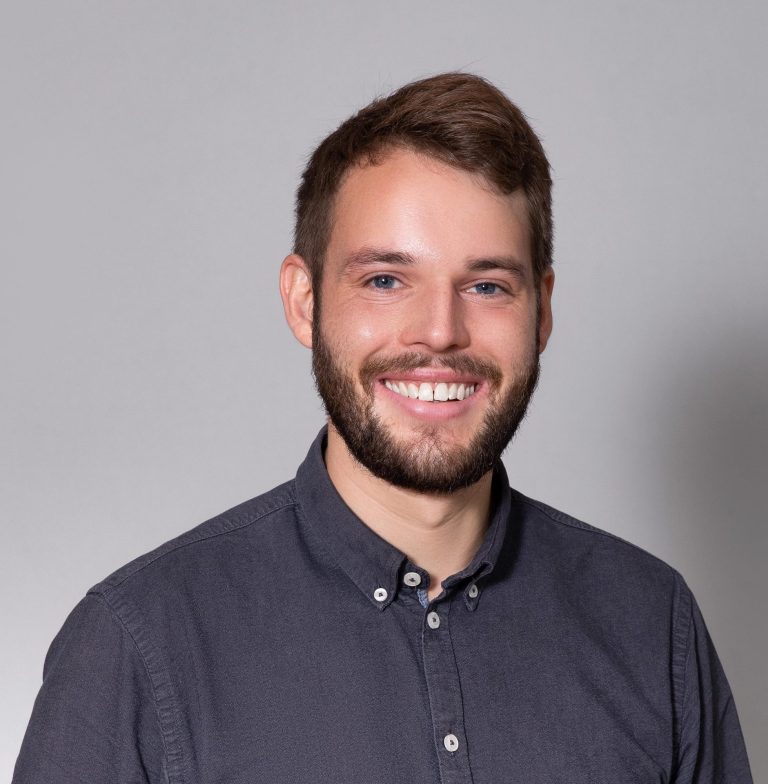
🥇 First Prize
DTU Energy & DTU Compute, Technical University of Denmark
A tenure-track faculty member at DTU, Andy has earned global recognition including Inflection and Forbes 30 Under 30, alongside significant research funding and leadership roles in publishing and large-scale facilities. His work—spanning generative AI, autonomous robotic synthesis, and advanced scattering analysis—is shaping the future of materials discovery.
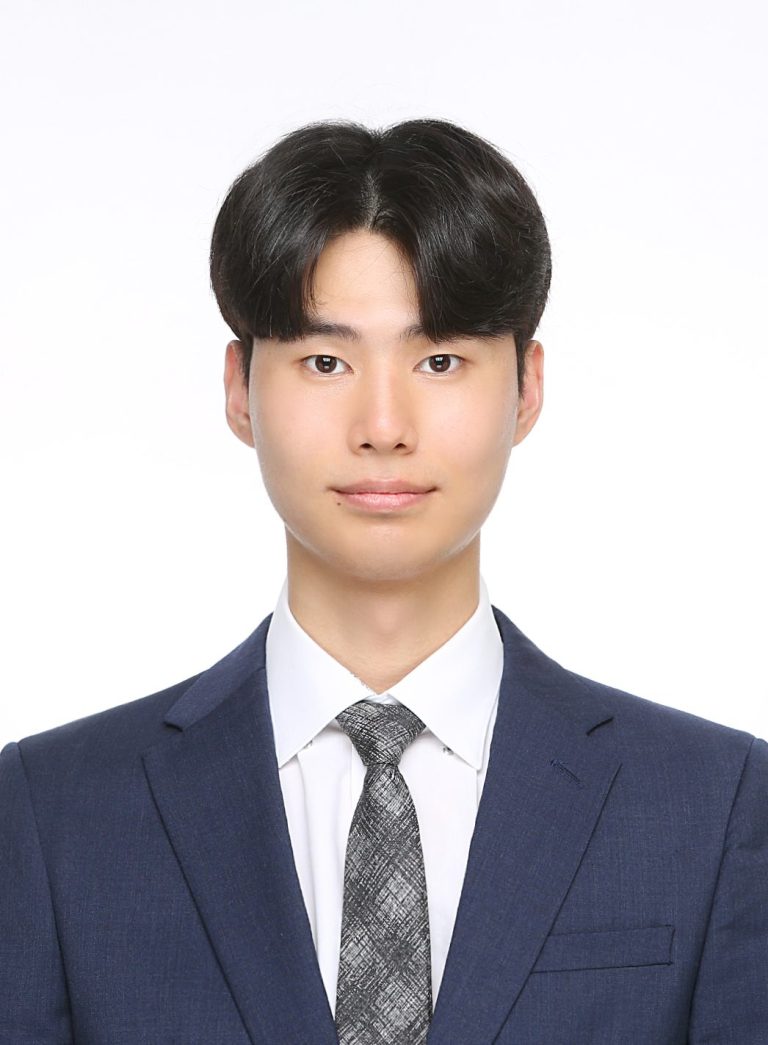
🥈 Runner-Up
SungKyunKwan University; U. Toronto & Vector Institute
Yeonghun has authored three highly cited first or co-first papers in Nature Machine Intelligence, Nature Communications, and JACS. His work on metal–organic frameworks span multi-modal transformers, LLM-based prediction and generation, and automated database construction. Now an Assistant Professor at SKKU, Yeonghun is rapidly advancing the frontiers of AI in materials science.
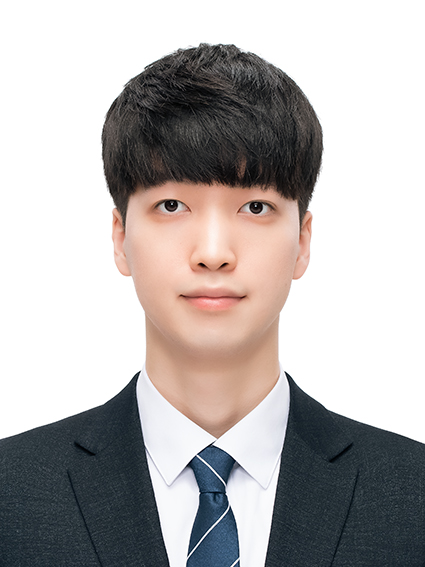
🥈 Runner-Up
PhD candidate, Seoul National University
Junseok Moon is a PhD candidate at Seoul National University focused on electrocatalysis for clean-energy applications. He is the sole first author of a 2024 Nature Materials paper on closed-loop active-learning discovery of a high-performance perovskite OER catalyst, with a second Nature Materials paper accepted as co-first author. His work has also received national recognition.
Finalist
International Research Associate, NIST
Kiran leads a research program in autonomous experimentation for soft and colloidal matter, including functional data representations of spectroscopy and scattering data with application in differentiable phase mapping and active learning for self-driving laboratories. He serves as PI on a $250K project developing AI agents for stable biotherapeutic formulations.
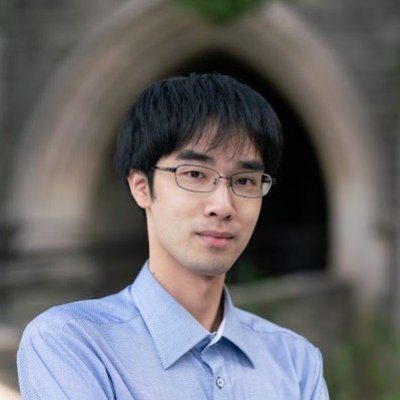
Finalist
Senior Researcher, NIMS
Naruki has a distinctive profile in the self-driving laboratories community, contributing to widely cited work on LLMs for chemical robotics, open-source orchestration platforms such as NIMO and IvoryOS, and review articles in Chemical Reviews, Digital Discovery, and Science Robotics. He currently leads development of the NIMO orchestrator at NIMS.